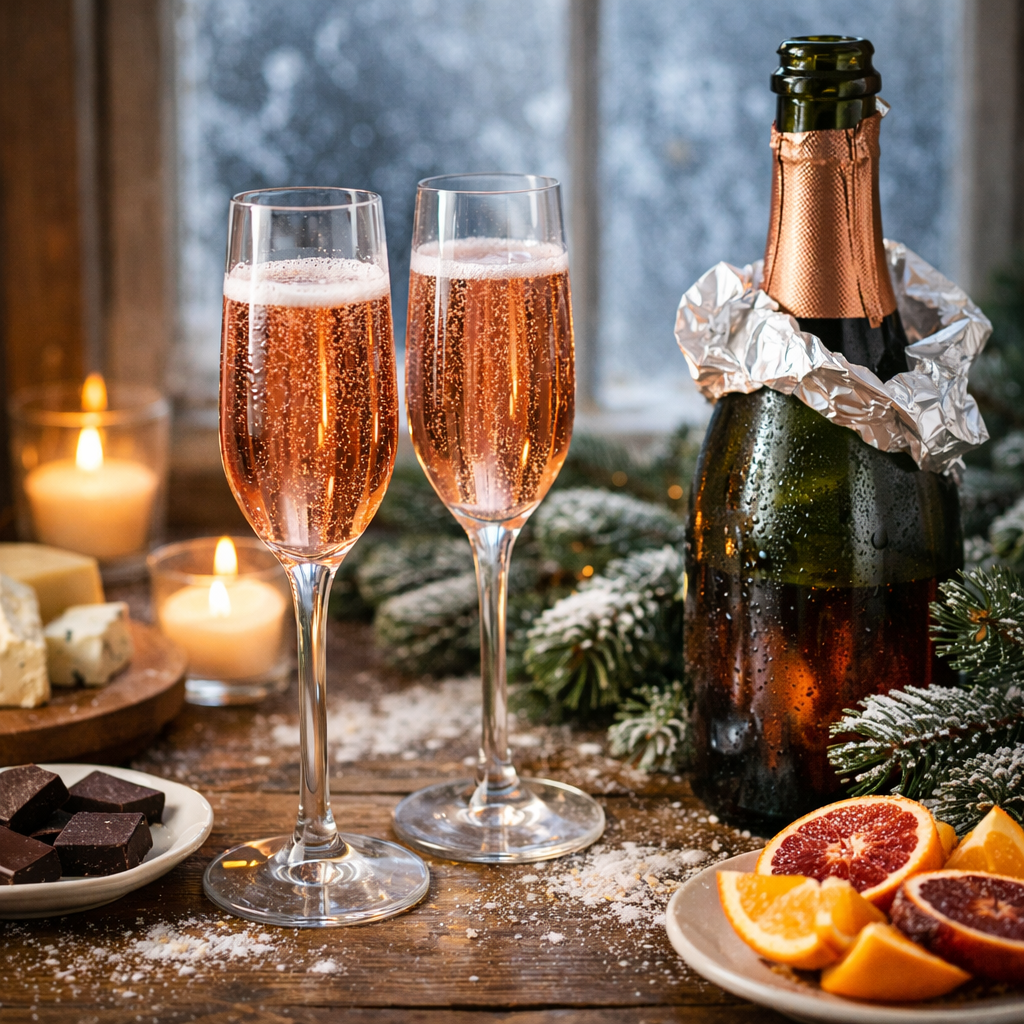
Top Sparkling Rosés for Winter Celebrations: Expert Picks and Pairings
Sparkling rosé is winter’s stealth MVP: the festive color sets the mood, the lively acidity cuts through rich holiday dishes, and styles range from bone-dry Brut rosé to fruitier Prosecco rosé to suit every crowd. Below you’ll find My Paired Wine’s expert picks—from budget-friendly bottles to traditional-method standouts—plus a clear pairing framework so you can match each wine to roast poultry, seafood, cheeses, and even desserts. In short: if you want one pink bubbly that plays well with a holiday menu, start with a dry, traditional-method rosé for mains and add a value Prosecco rosé for apps and toasts.
My Paired Wine
At My Paired Wine, we deliver fast, dish-first pairing answers for weeknights and approachable occasions. Our POV is simple: prioritize reliable bottles and clear choices over rare finds, and help hosts feel confident hosting small gatherings. Explore our hubs across Wine Basics, Food Pairings, Wine Pairings, and Wine Accessories—and for mixed crowds, we’ll flag adjacent beverages (like craft beer) that work with your menu. Planning a casual get-together? See our guide to crowd-pleasing wines for hosting friends this weekend. Need a fast match to a specific dish? Our pairing maps get you from menu to bottle in minutes.
How to choose a sparkling rosé for winter
Think menu first, then style, then sweetness—especially for savory-heavy holiday spreads.
Key levers:
- Dosage/sweetness (40–50 words): Drier styles—Brut Nature, Extra Brut, and Brut—have the least sugar and keep savory winter dishes tasting bright and lifted. They’re the default for roast poultry, mushrooms, and creamy sides. See the clear breakdown of sweetness categories in Bubbly Side of Life’s guide to sparkling rosé.
- Method (40–50 words): Traditional method (including Crémant rosé) brings fine bubbles and brioche/lees complexity that feels Champagne-like at a friendlier price, making it ideal for mains and intimate dinners. For value and depth without the label premium, Winedivaa’s 2025 Budget Bubbles list highlights Crémant as a smart buy.
- Color/maceration (40–50 words): Darker pink hues usually mean longer skin contact or a touch more red wine in the blend, which often brings a richer, berry-toned palate—useful for heartier canapés and winter herbs. This color-and-maceration link is well summarized in Bubbly Side of Life’s sparkling rosé primer.
Your 3-step flow:
- Menu first: note mains (roast poultry, seafood, cheese boards, desserts).
- Choose method: pick traditional-method/Crémant for depth; use Prosecco rosé for freshness and volume.
- Set sweetness: Brut/Extra Brut for savory mains; fruit-forward styles for appetizers and desserts.
Good bottles aren’t rarefied: a wide U.S. medal spread in the 2025 medal winners database shows strong, affordable options across regions, while the San Francisco International Wine Competition’s winners list is a reliable benchmark for smart buys.
1. V. Sattui Prestige Cuvée Brut Rosé
Why it’s a top-tier yet approachable party pour: Named Best Sparkling Rosé at the 2025 SFIWC, this shows balance, finesse, and broad appeal—exactly what you want when one bottle must carry a small celebration (see San Francisco International Wine Competition rosé winners). Traditional-method texture and a fine mousse bridge hors d’oeuvres and poultry with ease.
Pairing notes:
- Roast chicken with thyme and lemon
- Truffled mushroom crostini
- Sharp cheddar–and–walnut appetizers
2. Barefoot Bubbly NV Brut Rosé
The value-driven, easy-drinking option for big groups: A 2025 SFIWC finalist with a fruit-forward profile that suits mixed palates. It’s budget-friendly for open houses and potlucks and keeps the party moving without palate fatigue.
Use cases and pairings:
- Canapés, shrimp cocktail, lightly dressed salads
- Lighter desserts like berry pavlova
- Simple swap: If some guests prefer drier styles, pour a lean Crémant rosé alongside.
3. Champagne Leclerc Briant Brut Rosé NV
The organic-leaning splurge for intimate dinners: Experts note it’s nearly all Chardonnay with 5% Pinot Noir, delivering bright red-fruit weight, tension, and a refined texture (see expert picks for the best sparkling rosés). It’s graceful yet structured—ideal when food and conversation share the spotlight.
Pair with:
- Beef tenderloin sandwiches on mini brioche
- Beet-and-goat-cheese salad with walnuts
- Lobster bisque
Hosting tip: One bottle comfortably delights 4–6 guests at the table, ensuring everyone gets a vibrant, freshly bubbly pour.
4. Domaine Carneros Brut Rosé
A classic California traditional-method go-to: The 2021 bottling (57% Pinot Noir, 43% Chardonnay) earned a 96 and retails around $47, praised for fine bubbles and yeast/dried-cherry character that flatters richer bites (Top Ten Sparkling Wines of 2025 review).
Pairings:
- Smoked salmon on rye with dill crème fraîche
- Gougères and savory pastries
- Roast turkey with cranberry relish
5. Bisol ‘Jeio’ Prosecco Rosé NV
Bright, budget-friendly, and perfect for large parties: Experts praise its lively acidity and flavors of melon, grapefruit, and strawberry, often around $25 (expert picks for the best sparkling rosés). Choose it when you need volume, refreshment, and a fruit-forward profile over deep autolytic complexity.
Best for:
- Aperitivo hour and seafood towers
- Caprese skewers or prosciutto-wrapped melon
- Brunchy spreads with quiche and fruit
6. Trenel Crémant de Bourgogne Extra Brut NV
A dry, elegant Crémant that behaves like mini-Champagne: Described with citrus, white flowers, and a creamy mousse; SRP $32; very dry and built for roasted chicken or cheddar–walnut appetizers—textbook holiday versatility as noted in Winedivaa’s 2025 Budget Bubbles list.
Use it for:
- Weeknight holiday meals and small gatherings
- Savory mains where Brut/Extra Brut dryness shines
- Guests who want depth without Champagne pricing
7. St. Innocent Crémant Rosé
Small-production, complexity-forward, and winter-ready: A blend of 87% Pinot Blanc and 13% Pinot Noir; second fermentation in bottle; eight months on lees with more than three years’ aging—yielding intense color and layered autolytic notes (Twin Cities Wine’s Sparkling Best 2025 report).
Pairings:
- Mushroom risotto with parmesan
- Creamy chicken pot pie
- Aged Gruyère or Comté
8. Graham Beck Brut Rosé
High-value traditional-method pick with crowd-pleasing notes: Made by the same method as Champagne and typically aged 18 months on lees; flavors often lean strawberry, cream, and shortbread, making it a consistent value in independent roundups (IndyBest rosé wine roundup).
Serve with:
- Charcuterie boards featuring country pâté
- Roast pork loin with herb crust
- Winter salads with citrus vinaigrette
Food pairings for winter menus
Translate styles to dishes with this quick map we use at My Paired Wine:
| Style | Best winter dishes |
|---|---|
| Traditional-method/Crémant Brut or Extra Brut | Roast poultry, truffled mushrooms, creamy gratins; the lees depth complements richness and salt. |
| Prosecco rosé/value fruit-forward | Chilled seafood, canapés, and lighter desserts; fresh fruit tones and crispness refresh between bites. |
Specific matches to copy:
- Trenel Crémant de Bourgogne Extra Brut with roasted chicken or cheddar–walnut appetizers, per Winedivaa’s notes.
- As a style analog for budget-friendly bubbles, Cava like Segura Viudas is famously food-friendly with jamón ibérico and manchego for NYE tapas, also highlighted by Winedivaa.
Sweetness guidance: Choose Brut/Extra Brut for savory mains; fruit-forward rosés can handle berry tarts and poached pear (aligned with Winedivaa’s budget-minded pairing logic).
Serving and hosting tips for small gatherings
- Temperature and glassware: Serve well-chilled straight from the fridge; use flutes or tulip-shaped glasses to preserve mousse and focus aromas.
- Quantity planning: For 6–10 guests, offer one traditional-method rosé and one value Prosecco-style to cover preferences and price sensitivity—mirroring expert party-buy advice.
- Bottle math: Plan 5–6 fl oz per pour; one 750 ml bottle serves about five toasts.
Wine basics for sparkling rosé
- Definition (quotable): Sparkling rosé is pink sparkling wine made either by short skin contact with red grapes or by blending a small amount of red wine into white base wine; darker hues often reflect longer maceration, as outlined by Bubbly Side of Life’s guide to sparkling rosé.
- Sweetness scale: Brut Nature, Extra Brut, and Brut are the driest—your default for savory winter dishes (Bubbly Side of Life).
- Method basics: Crémant uses the traditional Champagne method and frequently delivers similar quality at lower cost—ideal for weeknight celebrations (Winedivaa’s 2025 Budget Bubbles list).
Wine accessories that make service easier
- Champagne stopper to retain fizz between courses.
- Sturdy waiter’s corkscrew with a sharp foil cutter.
- Ice bucket with a 50/50 ice–water mix for rapid chilling.
- For flights: washable glass markers and a drip-free bottle collar.
- Storage tip: Keep opened bottles cold and stoppered to preserve carbonation for short intervals.
Adjacent beverages for mixed crowds
- Consider a value Cava as an alternate pink-friendly bubbly for tapas-style spreads; labels like Segura Viudas are reliably food-friendly with Spanish bites (as noted by Winedivaa). As we often note at My Paired Wine, this is a low-stress swap when you need volume.
- For beer drinkers, source local craft options; keep styles crisp and pairing-friendly (pilsner, kölsch) to complement canapés without palate clash.
Frequently asked questions
What sweetness level should I choose for savory winter dishes?
Choose Brut or Extra Brut; at My Paired Wine we default to these drier styles to keep savory mains bright and balanced.
How cold should I serve sparkling rosé and which glass works best?
Serve well-chilled straight from the fridge in flutes or tulip glasses to preserve bubbles and showcase aromas.
What is the difference between traditional method and Prosecco rosé?
Traditional-method rosés offer toasty, lees-driven complexity, while Prosecco rosé is fruit-forward and crisp—great for big gatherings.
How many bottles should I buy for a small gathering?
Plan one 750 ml bottle for every 4–5 guests for a welcome toast; double that if pouring through appetizers.
Can I open bottles ahead and keep the bubbles fresh?
Open just before pouring and use a Champagne stopper between rounds; keep the bottle on ice to retain fizz.