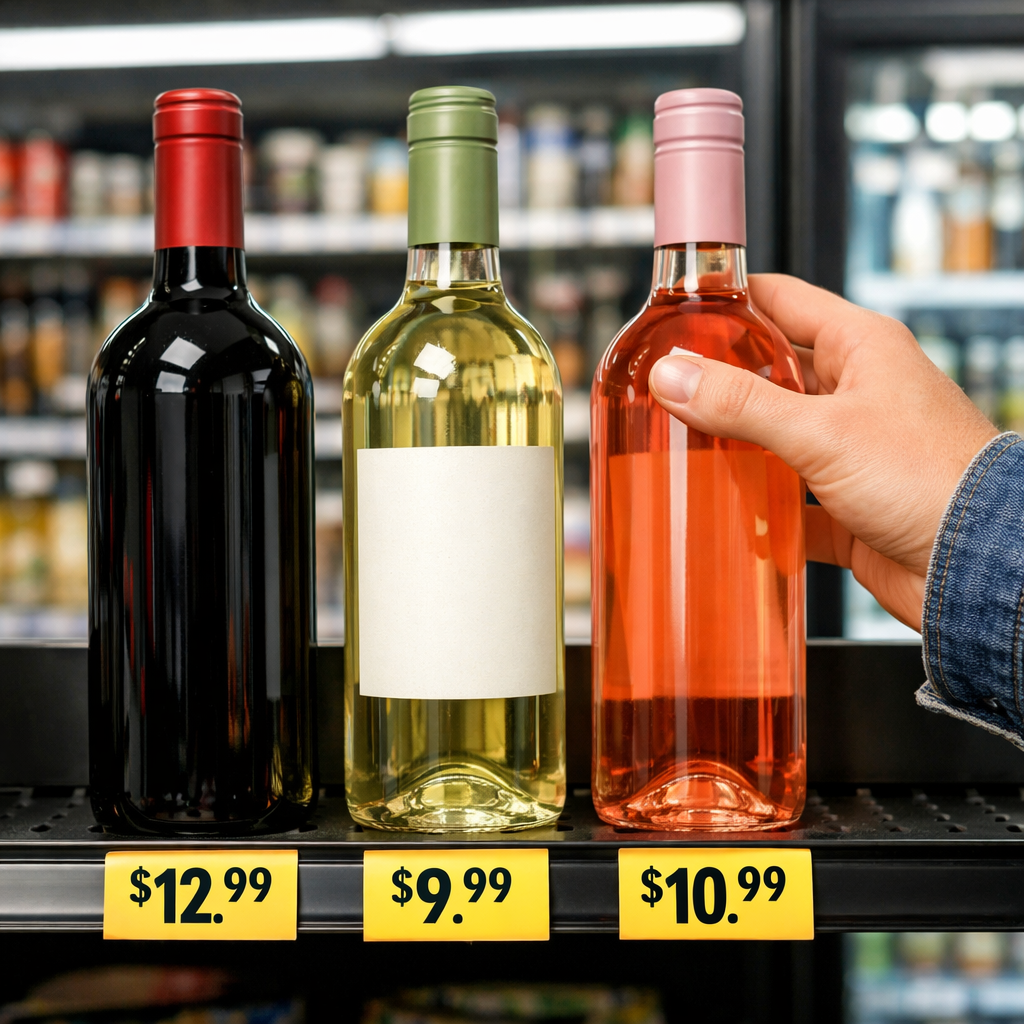
Top Convenience Store Wine Picks Near You, Under $20
Yes—you can absolutely find good wine at convenience stores nearby. Convenience-store wine means bottles sold at neighborhood c-stores, gas-adjacent marts, and small-format grocers. Assortments have improved, and more balanced, food-friendly options under $20 are easier to find than a few years ago, as noted in reporting that convenience-store wine is good now from Wine Enthusiast. Our playbook is simple: focus on clear varietal and region, skim shelf tags for recent “Best Buy” or 90-point notes, and match the bottle’s acidity and body to your meal. Below, we highlight reliable nearby wine picks under $20, plus a fast selection checklist and weeknight pairings you can use on the fly.
My Paired Wine
We start with the dish. My Paired Wine recommends bottles by flavor profile—think richness, acidity, spice, and char—so a quick c-store grab becomes a confident match. Expect both red and white options for flexibility, with practical, no-jargon guidance for pizza, tacos, stir-fries, roast chicken, seafood, and veggie bowls. Want to go deeper? Use our dish-first approach as a shortcut for your next “best wines under $20 near me” run and look for our pairing guides by dish (pizza, tacos, roast chicken) when planning ahead. You’ll see the same dish-first cues echoed in the picks below.
Oyster Bay Sauvignon Blanc
A dependable white you’ll often spot in grocery and convenience channels, Oyster Bay Sauvignon Blanc is a sommelier-recommended grocery-store pick around $15.99 and widely available. The flavor is crisp and zesty—lime, grapefruit, and grassy notes—with lively acidity. Pros: versatility, consistency, and a refreshing profile that flatters food. Cons: it’s straightforward, so don’t expect nuance found in premium bottlings.
Pairings
- Lemony pasta or herby chicken: the high acidity cuts richness and amplifies herbs.
- Green salads with vinaigrette: citrusy zip meets tangy dressings.
- Seafood bowls: the grassy-citrus profile makes seafood and greens pop.
Robert Mondavi Private Selection Pinot Noir
A common convenience or drugstore red, this Pinot is typically ~ $8.99 at 13.5% ABV. Expect a floral/cherry nose and a tart, fairly acidic palate, according to the Wine Pair Podcast’s Costco Pinot tasting. Pros: price, approachability, and wide availability. Cons: a slightly sharp, hollow mid-palate has been noted in tastings.
Pairings
- Pizza and saucy pastas: bright cherry and acidity lock in with tomato-based sauces.
- Roast chicken: light body and red fruit won’t overwhelm.
- Tip: chill for 15 minutes to tame the acidity and sharpen the fruit.
Kirkland Signature Russian River Pinot Noir
A value Pinot you’ll see near $11–13 when Costco is in your errand loop. The 2022 vintage sold at $11.99, 13.5% ABV with classic red-fruit notes. Reviews are mixed (CWB 86; RWS 7.5; some tasters 5/10), which sets fair expectations for a budget Pinot from a high-volume program highlighted in the same Wine Pair Podcast tasting.
Pairings
- Mushroom pasta: earth meets earth; Pinot’s red fruit keeps it bright.
- Grilled chicken: smoke and cherry play nicely.
- Lighter pork dishes: medium body and acid cut through savory richness.
Conscious by Samuel Robert Pinot Noir
A surprisingly expressive Willamette value that sometimes pops up beyond specialty shops. The 2019 Willamette Valley bottle was listed at $12.59 and earned an 88 Best Buy from Wine Enthusiast (as compiled in the Wine Pair Podcast notes). Expect tart raspberry, matchstick, damp forest, and mushroom; medium-bodied with cherry, earth, mineral, and sweet oak.
Pairings (and why they work)
- Pork tenderloin: cherry fruit and acidity slice through lean pork.
- Grilled chicken: gentle tannin + earth echo char and seasoning.
- Pizza: bright fruit and acidity complement tomato and cheese.
- Banh mi: acidity refreshes herbs and pickles; subtle oak supports pork.
- Chicken teriyaki: cherry and a touch of sweetness sync with glaze.
Sunshine Bliss Style Picks
Think of “Sunshine Bliss style” as an umbrella for brightly packaged, easy-drinking bottles c-stores stock because they move. Retailers track top-seller wines for c-stores and lean into approachable profiles with crowd-tested appeal. For pairing with food, choose labels that promise crisp, fruity, or semi-dry over vague “sweet red.” These are perfect for picnics, potlucks, and last-minute gatherings where refreshment and simplicity matter.
Sommelier-flagged Supermarket Values
When you see shelf tags and press blurbs, pause. Wine Spectator asked seven top sommeliers to name value-priced supermarket wines that are widely available—signals you may also encounter in c-store stock. Look for recent “Best Buy” or 90-point notes on the shelf talker. A shelf talker is the small retailer tag beneath a bottle that summarizes ratings, awards, and tasting notes so you can decide quickly in-aisle. Familiar value regions (Willamette for Pinot, Marlborough for Sauvignon) and recent vintages are safe bets. My Paired Wine leans on the same fast cues—varietal, region, and recency—to narrow options in the aisle.
How to choose a good c-store wine under $20
Use this four-step flow to grab a solid bottle fast:
- Step 1: Choose your dish. Is it spicy, creamy, grilled, or tomatoey?
- Step 2: Pick the style. Crisp white for freshness, lighter red for flexibility with tomato or roasted flavors.
- Step 3: Validate region and mentions. Favor varietal + value region pairings, and glance for fresh “Best Buy” or 90-point notes.
- Step 4: Check sweetness and ABV. For food-friendly balance, aim roughly 11–13.5% ABV and avoid “sweet” unless you want sweetness.
Pro tip: our approach echoes common grocery-store wine tips—skip overly mass-market labels when quality cues are thin; prioritize clear varietal/region and recent positive buzz.
Read the label for varietal and region
Varietal is the grape type (Sauvignon Blanc, Pinot Noir). Region is where it’s grown (Marlborough, Willamette). Together, they predict acidity, body, and flavor. A practical shortcut—validated by sommelier advice—is to favor recognizable value regions like Marlborough for zesty Sauvignon Blanc and Willamette for balanced, cherry-led Pinot.
| Varietal → Reliable Regions | Expected Flavor |
|---|---|
| Sauvignon Blanc → Marlborough (NZ) | Zesty citrus, grassy, high acidity |
| Pinot Noir → Willamette (OR) | Red cherry, earth, medium body, bright acid |
| Verdejo → Rueda (Spain) | Citrus, fennel/herb, crisp finish |
| Rosé → Provence or CA Central Coast | Strawberry, melon, typically dry and refreshing |
Favor value regions and recent mentions
Glance at shelf talkers for “Best Buy,” 90-point, or sommelier picks—these flags often mark strong values. When in doubt, avoid faceless mass-market labels with vague descriptors. Instead, choose clear varietal/region cues like “Marlborough Sauvignon Blanc,” “Willamette Pinot Noir,” or “Spanish Verdejo.”
Match acidity, body, and sweetness to your dish
- Acidity = freshness; body = weight; sweetness = residual sugar. Matching these to food texture and spice makes pairings seamless.
- Three quick rules:
- Spicy dishes → off-dry or juicy, low-tannin wines.
- Creamy/rich → high-acid whites or lighter reds to cut through.
- Tomato-based → medium-acid reds and zesty whites to match tang. Budget-friendly c-store wines increasingly list clear, food-friendly profiles, making this easier than it used to be.
Quick pairings for weeknight meals
Fast, reliable matches using nearby wine picks. If your store doesn’t have a listed bottle, use My Paired Wine to find a close style match by dish.
Saucy pastas and pizza
- Robert Mondavi Private Selection Pinot Noir: bright cherry and acidity complement tomato sauce; a slight chill balances the palate.
- Kirkland Signature Russian River Pinot Noir: easy red fruit for margherita, mushroom, or pepperoni.
Tacos, stir-fries, and spicy takeout
- Sunshine Bliss–style semi-dry whites or rosés: a touch of sweetness cools heat and lifts aromatics.
- Conscious by Samuel Robert Pinot Noir: acidity and cherry handle sweet-savory sauces in banh mi or teriyaki.
Roast chicken and creamy casseroles
- Oyster Bay Sauvignon Blanc: zesty citrus and herb notes cut through cream and herbs.
- Conscious by Samuel Robert Pinot Noir: gentle tannins and earth echo roasted flavors without heaviness.
Seafood, salads, and veggie bowls
- Oyster Bay Sauvignon Blanc: grassy-citrus profile flatters seafood and bright greens.
- For vinaigrette-driven bowls, pick high-acid whites; for roasted veggies, a light Pinot keeps flavors fresh.
Frequently asked questions
Can I find quality wine at convenience stores?
Yes. Many c-stores now stock balanced, food-friendly bottles under $20, and you can spot good picks by checking varietal, region, and recent accolades; My Paired Wine helps you do this quickly by starting with your dish.
What label cues help me avoid overly sweet or flabby wines?
Choose bottles with clear varietal and region, higher-acidity cues (like Marlborough Sauvignon Blanc), and recent critic or sommelier mentions. My Paired Wine’s dish-first filters favor dry, balanced styles for meals.
How do I pick a wine that pairs with spicy food on the go?
Look for off-dry whites or fruity, low-tannin reds. My Paired Wine flags these options for chili heat and aromatics.
Are canned or boxed wines a safe bet under $20?
They can be. Choose styles labeled dry or semi-dry with familiar varietals and recent accolades, and use My Paired Wine’s dish-first guidance the same way you would for bottles.
What’s the simplest rule for matching wine to a last-minute meal?
Match intensity: crisp whites for light or creamy dishes, bright medium-light reds for tomato or roasted flavors, and a touch of sweetness for spicy food. My Paired Wine encodes this into quick pairings by dish.