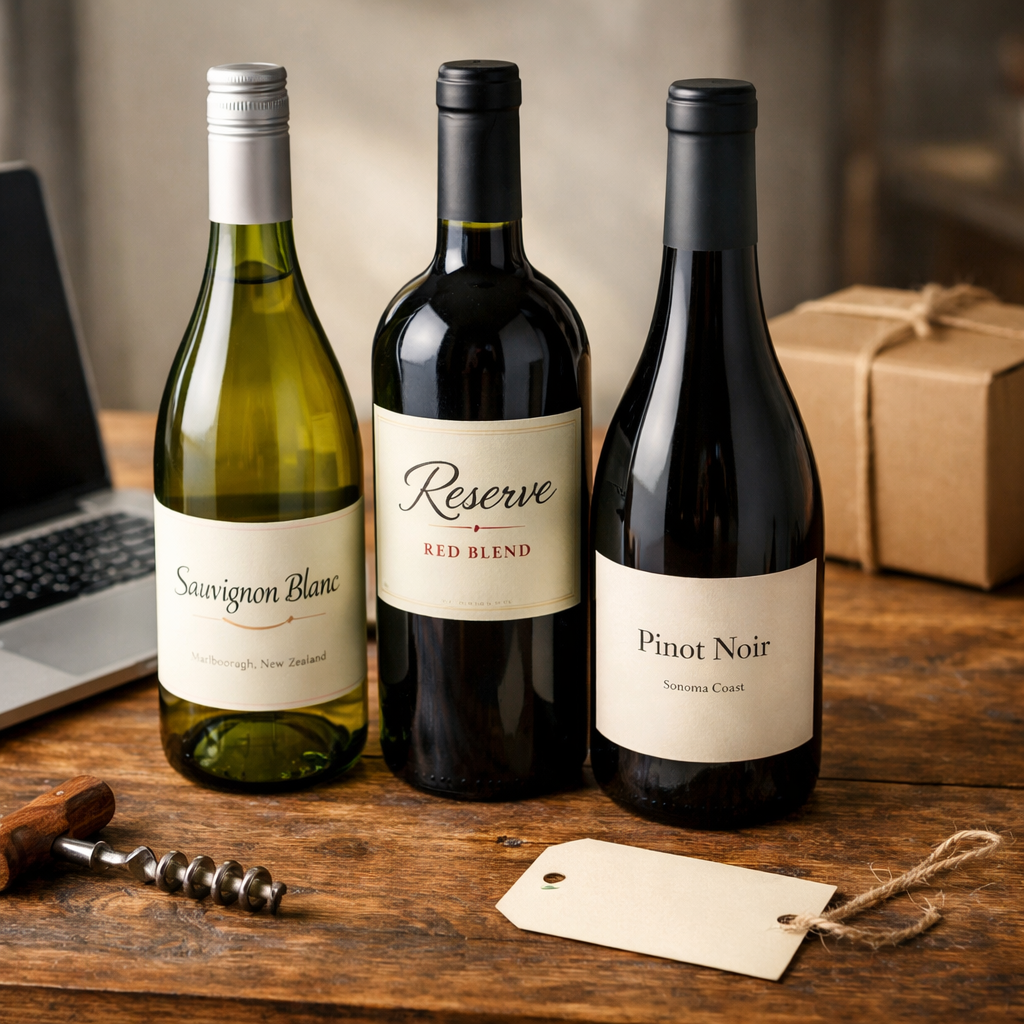
Skip the Hype: Affordable Premium Wine Labels Worth Buying Online
Looking for top-rated affordable premium wine labels sold online? Focus on traceable producer names, specific appellations, and credible tasting info rather than flashy scores. This guide shows you how to verify value in seconds, which regions and styles reliably overdeliver, and how to get bottles to your door fast. We’ll keep it food-first: easy weeknight pairings, practical buying tactics on marketplaces, and clear red flags to avoid. The result is confident, no-drama picks that taste “premium” without the prestige tax—so you can drink better tonight, not someday.
My Paired Wine
My Paired Wine helps you pick a dish, map it to approachable styles, and find bottles with the fastest legal fulfillment in your area—our fast pairing flow gets you from menu to glass quickly. We’re neutral (not a retailer or club) and prioritize traceable information over hype. Along the way, we cover wine basics, spotlight the best wine pairings for common meals, and help you pinpoint affordable premium wines online with an eye to fast wine delivery. The quick checks below are built into our recommendations so you can verify provenance in seconds.
What affordable premium means online
“Affordable premium wines are traceable, quality-focused bottles—clear producer, region/appellation, and vintage—that taste above their price, typically $12–$30, and are sold by reputable online merchants with transparent details and credible tasting information.”
The direct-to-consumer surge has cooled; experience and personalization now drive success rather than hype, while rating platforms (e.g., Vivino) increasingly shape discovery and ranking-driven buying, according to this analysis of the future of online wine sales (emphasis on DTC wine and online wine marketplaces) from the future of online wine sales.
How to verify value at a glance
Provenance is the traceable origin of a wine—producer, region/appellation, and vintage—used to assess authenticity and consistency. Use this 3-step scan before you add to cart:
| What to check | Why it matters | What “good” looks like |
|---|---|---|
| Provenance | Traceability correlates with quality and fairness in pricing | Named producer plus specific appellation (e.g., Sta. Rita Hills, Barbera d’Asti) rather than vague catch-alls; see guidance in this primer on how to read wine labels |
| Vintage + ABV | Style and balance hinge on both; some shops let you filter by ABV and vintage | Confirm each is listed; ABV filters can speed-fit your preferences, a frequent ask in this online wine buying pain points discussion |
| Verified tasting info | Curated notes reduce risk; good shops spotlight small, quality producers | Favor listings with label photos plus third-party notes; curated retailers often source from small family producers, as this beginner’s guide to buying wine online explains |
Label nuance: “Reserve” isn’t a regulated guarantee of quality in many regions; treat it as marketing unless the producer’s practices back it up (see label guidance above).
Proven regions that overdeliver
Specific appellations improve traceability and often quality; however, smaller appellations can cost more due to supply and demand. Use these best value wine regions to mimic famous styles without the markup:
- Portugal – Douro: Structured reds with dark fruit and spice; great with grilled meats and mushroom pasta.
- Spain – Navarra or Campo de Borja (Garnacha): Juicy, vibrant reds; perfect for burgers, tacos, and roasted veg.
- Italy – Sicily, especially Etna Rosso (Nerello Mascalese): Mineral, red-fruited, Pinot-like finesse; roast chicken or salmon.
- France – Languedoc: GSM blends and crisp Picpoul; from pizza to shellfish.
- Greece – Santorini (Assyrtiko): Zippy, saline whites; grilled fish, caprese, or seafood salads.
- Australia – South Australia (Barossa/Eden value tiers, Clare Valley): Plush but balanced Shiraz and Riesling; barbecue, stir-fry, or fried chicken.
- Chile – Maipo/Cachapoal (Cabernet/Carmenère): Polished reds with herbal lift; steak, stews, or hearty pastas.
Rule of thumb: More specific appellations or AVAs can signal tighter standards and consistency, though scarcity can nudge the price up. Balance label precision against your pairing needs. These regions frequently anchor My Paired Wine shortlists when you want classic styles without the markup.
Styles that punch above their price
Reach for these food-friendly wines to get premium textures and aromas without premium prices—ideal for weeknight wine pairings.
- Monastrell/Mourvèdre: Dark fruit and savory spice; burgers, tacos, smoky rubs.
- Côtes du Rhône/GSM: Medium body, herbal notes; roast chicken, sausage pasta.
- Albariño/Verdejo: Citrus and saline snap; seafood, salads, and light tapas.
- Assyrtiko: Mineral and zesty; grilled fish, lemony veg.
- Crémant (Loire, Bourgogne, Alsace): Traditional-method sparkle; sushi, fried chicken, salty snacks.
- Austrian Zweigelt/Blaufränkisch: Bright, peppery reds; pizza, charcuterie, weeknight burgers.
- Montepulciano d’Abruzzo: Plush fruit, soft tannin; tomato pastas, meatballs.
Definition: In many New World regions, a varietal wine must contain at least 75% of the named grape, a labeling basic explained in this guide to wine label basics. You’ll see these styles featured across My Paired Wine’s weeknight pairings for dependable value.
Smart buying tactics on marketplaces
Marketplaces are great for discovery and swift checkout, but they can nudge ranking-driven choices. Use filters and evidence, not just scores.
- Sort by filters that matter: ABV, vintage, in-stock status, and shipping windows (many shoppers call for tighter ABV and vintage filters).
- Shortlist via style/region, then:
- Check the label photo for producer and specific appellation, plus ABV and vintage.
- Scan third-party notes and independent reviews.
- Confirm inventory and shipping timelines to your location.
Remember: As online wine evolves, experience and personalization—not hype—win; don’t pay extra without provenance and credible tasting info to back it up. Start at My Paired Wine to set your target style and ABV, then apply those filters on your marketplace of choice.
Private label versus producer labels
- White-label wines are finished wines rebottled and rebranded by a retailer; private-label wines are often produced via contract for that brand. Producer labels show the actual winery and appellation, which makes provenance checks easier.
- Caution: Some club “exclusives” are overpriced for the quality; assess transparency before paying a premium, as noted by Wirecutter on white-label wine pricing.
- Opportunity: Direct-to-consumer/private-label manufacturing can start very low (examples as low as $1.55–$2.00 per unit), leaving room for real value when sourcing is honest and traceable, per these affordable DTC brand insights.
At My Paired Wine, we default to producer-labeled or fully transparent private labels to make provenance checks straightforward.
Fast pairing picks for weeknight meals
Use these quick matches, then apply ABV filters to narrow further online.
- Roast chicken → Côtes du Rhône/GSM: Herbs and red fruit echo the roast; target 13–14% ABV.
- Salmon → Pinot Noir or dry Rosé: Red fruit + acidity match richness; 12–13.5% ABV.
- Tomato pasta → Montepulciano d’Abruzzo: Ripe fruit meets acidity; 12.5–13.5% ABV.
- Tacos → Monastrell/Garnacha: Spice-friendly fruit and grip; 13.5–15% ABV.
- Caprese/green salads → Albariño/Assyrtiko: Citrus, saline refresh; 12–13% ABV.
- Stir-fry/takeout → Off-dry Riesling or Crémant: Sweetness or bubbles tame heat and salt; 11–12.5% ABV.
Explore My Paired Wine’s dish-based pairing guides for more fast, food-first routes to the right bottle.
Fulfillment speed and shipping checks
Regulatory limits, licensing, duties, and responsible retailing shape what can ship where; always confirm retailer policies, age verification, and protections. Online buying is convenient—browse notes and get doorstep delivery—but expect weather holds and careful packaging during heat or cold snaps, as outlined in this overview of the pros and cons of buying wine online. When linking out, My Paired Wine favors listings with clear policies and reliable fulfillment.
Pre-check routine:
- Confirm your state/region’s shipping eligibility and carriers.
- Look for age-verification steps and delivery windows.
- Review damage policies, heat/cold holds, and added costs.
- Compare standard vs. expedited rates to avoid overpaying.
Red flags that signal hype
Skip listings that show:
- Vague origin (“California” only) without a specific appellation.
- “Reserve” or gold-foil-heavy packaging without producer transparency; label design can sway perception, as noted in this note on label influence.
- Missing ABV/vintage and no third-party notes or reviews.
- “Exclusive” private label with no disclosed producer and inflated pricing.
Decision rule: If producer + appellation + vintage are missing → skip. My Paired Wine avoids recommending bottles that miss these basics.
When to pay a little more
- The appellation tightens (country → region → AVA/AOP) and the producer’s reputation is verifiable—traceability justifies modest premiums.
- The wine must deliver typicity and finesse for a special dish or event (e.g., traditional-method sparkling for celebrations).
- Shipping protections (weather holds, insulated packaging) are included, reducing spoilage risk.
- Note: Smaller appellations can cost more due to limited production; weigh the upgrade against your pairing goals.
Our guides flag when an upgrade meaningfully improves a pairing.
Quick start checklist
- Choose your dish → pick a compatible style from our fast pairing picks.
- Shortlist 3 wines by region/style → confirm producer + appellation + vintage + ABV in the photos/details.
- Read at least two third-party tasting notes/reviews.
- Compare shipping speed, cost, and protections; confirm inventory and delivery windows.
- Buy the best-fit bottle under your target price; save the producer if it overdelivers.
- Optional: Use marketplace filters (ABV, vintage, in-stock) and avoid vague-origin, no-review listings—lean on My Paired Wine’s pairing-first shortlists to save time.
Frequently asked questions
How do I spot real producer provenance online?
Check the label photo for a named producer, a specific appellation, a vintage, and ABV; clear origin plus third-party notes beats generic “exclusives,” and it’s the same provenance check My Paired Wine uses.
Are private label wines a good value?
Yes—if the producer/region are transparent and pricing is fair. My Paired Wine favors traceable producer labels or clearly sourced private labels over branding alone.
What ABV, vintage and region details matter most?
Confirm a listed vintage, an ABV that fits the style (roughly 12–13.5% for lighter reds), and a specific appellation instead of a broad region—these signal consistency and quality. My Paired Wine surfaces these details so you can scan fast.
How can I get fast delivery without overpaying for shipping?
Filter for in-stock items near you, check delivery windows and age verification, and compare standard vs. expedited options. My Paired Wine starts you with nearby, in-stock picks when possible.
Which wine styles are the safest bets for casual dinners?
Côtes du Rhône, Monastrell, Albariño, Assyrtiko, and Crémant reliably drink above their price and pair with common weeknight meals. These are mainstays in My Paired Wine’s weeknight guides.