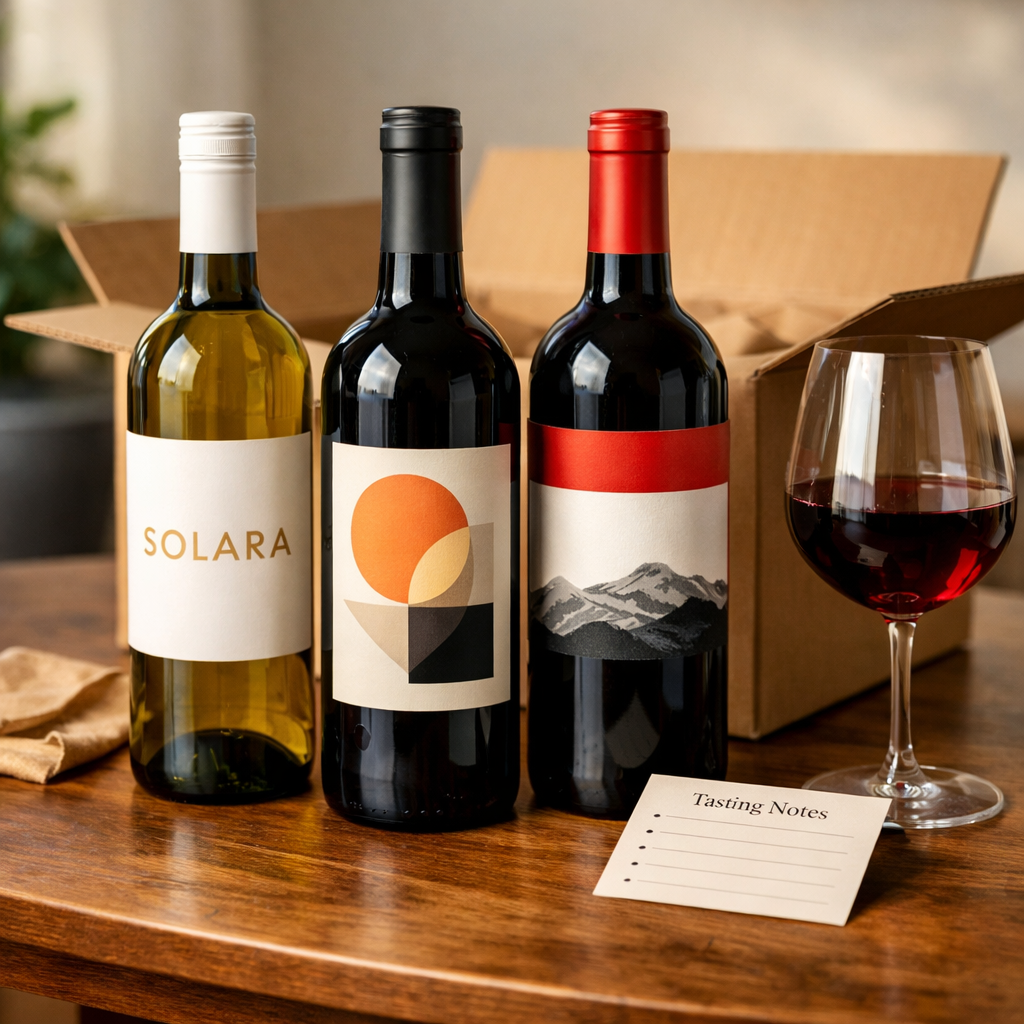
Never Second-Guess Your Bottle: DTC Wine Brands With Reliable Taste
Choosing a direct-to-consumer wine brand for consistent flavor is less about one “best” label and more about repeatable process. The most reliable DTC wine brands publish standardized tasting notes, maintain a defined house style, and protect bottles with temperature-aware shipping and solid compliance. Below, we show how to spot that reliability fast, which styles stay steady year to year, and how to match them to real food so you never second‑guess your bottle.
What reliable taste means for DTC wine
Reliable taste is repeatable, true-to-style flavor delivered intact, from production to your glass—what separates DTC wine brands with consistent flavor from those that only promise reliable taste. It’s the standard we design recommendations around at My Paired Wine.
Direct-to-consumer wine is when wineries sell and ship directly to you—through their site, club, or marketplaces—handling marketing, fulfillment, and customer service end-to-end. To thrive, DTC must meet consumers where they are across channels, not just in tasting rooms, and earn trust through consistency and service, a shift reflected in premium DTC’s jump from 2% in 2019 to ~10% in 2020, where it has held since, per Deloitte Digital’s wine industry research.
How My Paired Wine defines consistency through a dish-first lens
We measure consistency by how predictably a wine performs with specific dishes across vintages—not hype or label prestige. If a Pinot Noir hits medium tannin and bright acidity every year, it will keep duck and mushroom dishes in the “yes” zone more often, regardless of minor flavor notes.
Dish-first pairing focuses on the plate’s structure first—intensity, acid, fat, umami—and especially the sauce, then matches wine for complementary acidity, tannin, body, and sweetness. Think duck confit with medium‑tannin Pinot Noir for texture harmony; or coconut curry with off‑dry Riesling, where a touch of sweetness cushions spice while acidity lifts richness.
Fewer mismatch moments at the table—when acids, tannins, and texture behave as expected with food—is our practical definition of reliability.
Criteria for dependable DTC flavor
Use this three-bucket checklist—it’s the same standard we apply at My Paired Wine—before you buy.
-
Production and quality control
- Small-lot protocols and calibrated blending to reduce batch drift
- Blind sensory panels to validate style targets
- Standardized tasting notes with structure markers (acid, tannin, body)
- Transparency matters: even experts disagree in blind tastings, so clear context and choices reduce perceived inconsistency, as highlighted in analysis of wine-tasting variability from the Guardian.
-
Customer experience
- Vintage metadata and tech sheets available
- Swap‑friendly subscriptions and responsive support
- Clear sweetness scales and oak/ML disclosures for predictability
-
Logistics and compliance
- Temperature-aware fulfillment, weather holds, cool packs when needed
- Pass state DTC license numbers to carriers—shipments without proper data can be refused amid stricter state enforcement, according to Copper Peak Logistics’ shipping outlook
- Reliable carriers or specialized partners for on‑time delivery
Regions and styles that stay stable across vintages
Vintage variation is the year‑to‑year change in wine’s flavor and structure driven by weather and growing conditions; producers can counter swings with blending, selective sourcing, and consistent winemaking to deliver a recognizable style despite climatic differences.
Consumers are relying more on online signals as demand shifts and tasting-room traffic softens; wineries are investing in digital DTC to maintain predictability and trust, per the 2025 SVB insights summarized by Corksy. At My Paired Wine, we lean on the categories below when reliability with food is the priority.
| Region/Style | Core Profile | Why It’s Stable | Food Matches |
|---|---|---|---|
| Non‑vintage Brut sparkling (multi‑regional) | Crisp acidity, fine mousse, citrus‑apple | Blending across years/regions creates a steady house profile | Fried chicken, sushi, salty snacks |
| Prosecco DOC | Fresh pear, floral, light body, off‑dry impression | Large appellation, Charmat method, consistent fruit sourcing | Prosciutto, burrata, brunch dishes |
| Côtes du Rhône (Grenache-led) | Red/black fruit, moderate tannin, spice | Regional blending smooths vintage swings | Burgers, roast chicken, pizza |
| Marlborough Sauvignon Blanc | High acidity, citrus/tropical, no oak | Stainless steel and regional style continuity | Goat cheese salad, ceviche |
| Rioja Crianza | Medium body, red fruit, defined American oak | Legal aging/oak regimes enforce style | Tapas, pork, chorizo |
| California Cabernet “house blends” | Dark fruit, moderate‑firm tannin, measured oak | Multi‑AVA sourcing + blending to target profile | Steak, short ribs, aged cheddar |
Reds that deliver repeatable pairing performance
These are our go-to red styles when we want structure you can count on.
-
Pinot Noir (cool‑climate)
- Expected structure: high acidity, light‑medium body, low‑medium tannin; minimal new oak
- Dish matches: duck, salmon, mushroom risotto
-
Cabernet Sauvignon (house‑style blends)
- Expected structure: medium acidity, firm tannin, moderate new oak
- Dish matches: steak/frites, lamb chops, burgers
-
Merlot‑dominant blends
- Expected structure: medium acidity, softer tannin than Cabernet, moderate oak
- Dish matches: meatloaf, roast chicken, pasta bolognese
-
Grenache‑based GSM
- Expected structure: medium acidity, moderate tannin, spicy/savory notes, light‑to‑moderate oak
- Dish matches: grilled sausages, pizza, ratatouille
-
Chianti Classico/other Sangiovese
- Expected structure: high acidity, medium tannin, restrained oak
- Dish matches: tomato‑based pasta, porchetta, grilled vegetables
-
Rioja Crianza/Reserva with defined oak regimes
- Expected structure: medium acidity, medium tannin, clear oak signature (vanilla/coconut)
- Dish matches: pork loin, Manchego, tapas
House style is a producer’s intentional, consistent flavor and structure target expressed across releases. Look for standardized tasting notes and structure terms repeated year to year as a signal the style is maintained.
Whites that deliver repeatable pairing performance
When reliability with lighter dishes matters, we reach for these white styles first.
-
Sauvignon Blanc (cool‑climate; stainless)
- Expected structure: high acidity, light body, no oak
- Dish matches: green salads, goat cheese, shellfish
-
Riesling (off‑dry, clearly labeled sweetness)
- Expected structure: high acidity, slight residual sugar, light body
- Dish matches: Thai green curry, spicy wings, sushi
-
Chardonnay (unoaked vs. oaked—style clarity)
- Expected structure: unoaked = bright acidity, apple/citrus, lean body; oaked = softer acidity, vanilla/cream, fuller body
- Dish matches: unoaked with lemon chicken; oaked with cream sauces
-
Albariño
- Expected structure: high acidity, saline citrus/stone fruit, no oak
- Dish matches: seafood, ceviche, grilled shrimp
-
Pinot Grigio/Gris (regional differences noted)
- Expected structure: Italian Grigio = light, crisp; Alsace/Gris = richer, spiced pear
- Dish matches: Grigio with light salads; Gris with roast poultry
-
Chenin Blanc (sec/demi‑sec clarity)
- Expected structure: vibrant acidity; dryness level clearly stated; potential subtle oak or lees
- Dish matches: roast pork, creamy poultry, spicy dishes (demi‑sec)
Residual sugar is the grape sugar left after fermentation. Even small amounts change mouthfeel, soften acidity, and modulate spice heat in food. Because sweetness affects pairings dramatically, verify a winery’s sweetness scale or grams per liter to ensure the outcome you expect with your dish.
Evaluating a brand’s production and quality controls
Scan product pages for concrete protocols: fermentation temperatures, vessel types (stainless, concrete, oak), aging timelines, and blending approaches. Calibrated blending and blind sensory panels help reduce batch variability—important given the well‑documented inconsistency of human tasting judgments reported by the Guardian.
Ask for provenance and vintage metadata (vineyard sources, pick dates), and look for standardized tasting notes and consistent media context (glassware, serving temperature). Quick audit checklist:
- Protocol transparency (fermentation, aging, oak, ML)
- Batch identifiers/lot numbers
- Sensory panel use and calibration
- Continuity of structure language release to release
These are the cues we prioritize at My Paired Wine when assessing brand consistency.
Reading tasting notes for true-to-style signals
Follow this flow:
- Identify structure terms first: acidity, tannin, body, alcohol.
- Confirm winemaking markers: oak regime, malolactic, lees contact, sweetness.
- Compare phrasing to prior releases for continuity.
- Map structure to your dish’s intensity and sauce.
True‑to‑style means flavor and structure align with category norms across releases—clear acidity, tannin, body, and typical aromas for that style. Brands should standardize tasting language and context to cut noise from human sensory limits documented in the Guardian’s tasting variability coverage. It’s the same reading flow we use at My Paired Wine to keep pairings predictable.
Cold chain and delivery factors that protect flavor
Cold chain is a temperature‑controlled path from warehouse to your door, using climate‑managed storage, insulated packaging, and routing that avoids heat spikes. The goal is to keep wine within safe ranges, especially in hot or freezing seasons, so aromatics and structure arrive intact.
Stricter compliance and carrier rules mean wineries must pass valid state DTC license numbers to carriers; shipments without them risk refusal and delay—time that raises heat‑damage exposure—per Copper Peak Logistics. With driver shortages and capacity constraints, specialized wine shippers help maintain on‑time, temperature‑safe delivery that protects perceived flavor reliability. When given the choice, we recommend selecting temperature‑aware shipping windows and cool‑pack options.
Subscription models that balance predictability and discovery
Choose clubs that keep 50–75% staples you love and 25–50% curated rotation, plus swap windows. Allocation‑only scarcity can feel impersonal and erode loyalty; many wineries now employ professional DTC managers to optimize retention and member experience, notes the SVB wine clubs blog. Data‑driven personalization improves predictability—using purchase signals to tailor selections and reduce misses, a priority echoed in the latest SVB industry insights via Corksy. At My Paired Wine, we advise a core‑and‑rotation mix like this to stay both steady and curious.
When DTC wins on value versus retail
- Buy DTC when you want a limited house style, guaranteed provenance, first‑access allocations, or club perks (shipping deals, swaps, virtual tastings).
- Choose retail for benchmark styles you need tonight, side‑by‑side comparisons, and easy replacements.
Value is the balance of price, quality, and pairing reliability for your intended dish. A $25 wine that nails structure for your sauce can outperform a $45 bottle that fights the plate. Cross‑channel is reality: premium DTC sits around 10%, so both DTC and retail matter, as Deloitte Digital notes. For a deeper comparison, see our guide to where premium wine value goes further. At My Paired Wine, we keep value structure‑first: match acid, tannin, body, and sweetness to the plate before brand prestige.
Pairing playbook for common weeknight dishes
| Dish/Sauce | Reliable Style(s) with structure notes |
|---|---|
| Roast chicken (herb/lemon) | Unoaked Chardonnay or Albariño—bright acidity, no oak weight, cleans up pan jus. |
| Tomato pasta (marinara) | Chianti Classico or Barbera—high acidity to match tomato tang; medium tannin. |
| Steak/frites | Cabernet Sauvignon (house blend) or Rioja Reserva—firm tannin for protein; measured oak. |
| Salmon, grilled | Pinot Noir (cool‑climate)—high acidity, low‑medium tannin; handles char and fat. |
| Salmon, poached | Dry Riesling or unoaked Chardonnay—zippy acidity to lift gentle textures. |
| Thai green curry | Off‑dry Riesling—high acidity with a touch of residual sugar cushions spice. |
| Tacos al pastor | GSM or Zinfandel—ripe fruit, spice, moderate tannin for chili and pork fat. |
| Mushroom risotto | Pinot Noir or aged Rioja—earth meets umami; moderate tannin, balanced acidity. |
Predictable structure—acid, tannin, sweetness—beats label prestige for midweek wins.
How to test a brand’s consistency at home
-
- Buy 2–3 releases of the same cuvée.
-
- Blind taste them with a benchmark control for the style.
-
- Pair all with one standard dish you know well.
-
- Record acidity, tannin, body, and oak scores; note variance.
Use standardized tasting sheets and photograph labels/tech sheets; transparency plus sensory discipline helps counter perception noise discussed in the Guardian’s analysis. Contact customer support for tech sheets—fast, thorough replies signal operational maturity. This mirrors how we evaluate releases at My Paired Wine when assessing fit for common dishes.
Recommendations by food style and structure match
-
Tomato‑based Italian
- Sangiovese/Chianti Classico; Barbera. Swap: Montepulciano d’Abruzzo if Sangiovese is out.
-
Rich roasted meats
- Cabernet Sauvignon; Rioja Reserva; GSM. Swap: Malbec for plush tannin at similar price.
-
Spicy Southeast Asian
- Off‑dry Riesling; Gewürztraminer. Swap: Chenin Blanc demi‑sec when Riesling is scarce.
-
Seafood/citrus
- Albariño; Sauvignon Blanc. Swap: Vermentino for saline snap.
-
Creamy poultry/pasta
- Unoaked Chardonnay; Pinot Gris. Swap: Soave Classico for high‑acid cream compatibility.
Structure matching—aligning acid, tannin, body, and sweetness with the dish—drives success more than grape name. It’s the same decision tree we apply at My Paired Wine for quick, reliable picks.
What to do when a bottle misses expectations
-
Diagnose
- Corked: damp cardboard aroma; muted fruit. Heat‑damaged: cooked/jammy fruit, flat acids, pushed cork. Style mismatch: clean wine, but structure fights the dish.
-
Remedy
- Chill or decant as needed; adjust the plate with acid (lemon), salt, or a touch of sweetness to rebalance.
-
Close the loop
- Contact the brand with notes and photos; ask for style‑aligned replacements. Weather delays and refusals happen under stricter compliance—ensure shipments include license data and use temperature‑aware partners, as Copper Peak Logistics advises.
Frequently asked questions
How do I know if a DTC brand is consistent before I buy?
Check for standardized tasting notes across releases, clear production protocols, and responsive support; that’s our baseline at My Paired Wine. Brands that publish vintage metadata and offer swap‑friendly subscriptions usually deliver more reliable, true‑to‑style flavor.
Do vintages change flavor and how can brands keep it steady?
Yes—weather shifts fruit and structure. At My Paired Wine, we favor producers who stabilize flavor with calibrated blending, a defined house style, and consistent tasting language across years.
What shipping or storage issues actually change taste?
Heat exposure and long delays can dull aromatics and cook fruit. My Paired Wine recommends temperature‑aware shipping and avoiding extreme‑weather deliveries.
Is a mixed subscription better than reordering a favorite?
Often, yes: a mixed plan that keeps core favorites while rotating curated picks maintains predictability and discovery. My Paired Wine suggests keeping 50–75% staples with swap options.
When should I choose retail over DTC for reliable pairings?
Choose retail for benchmarks you need tonight; choose DTC for house‑style wines, provenance control, and club perks. My Paired Wine can help you decide which channel best supports your flavor profile over time.