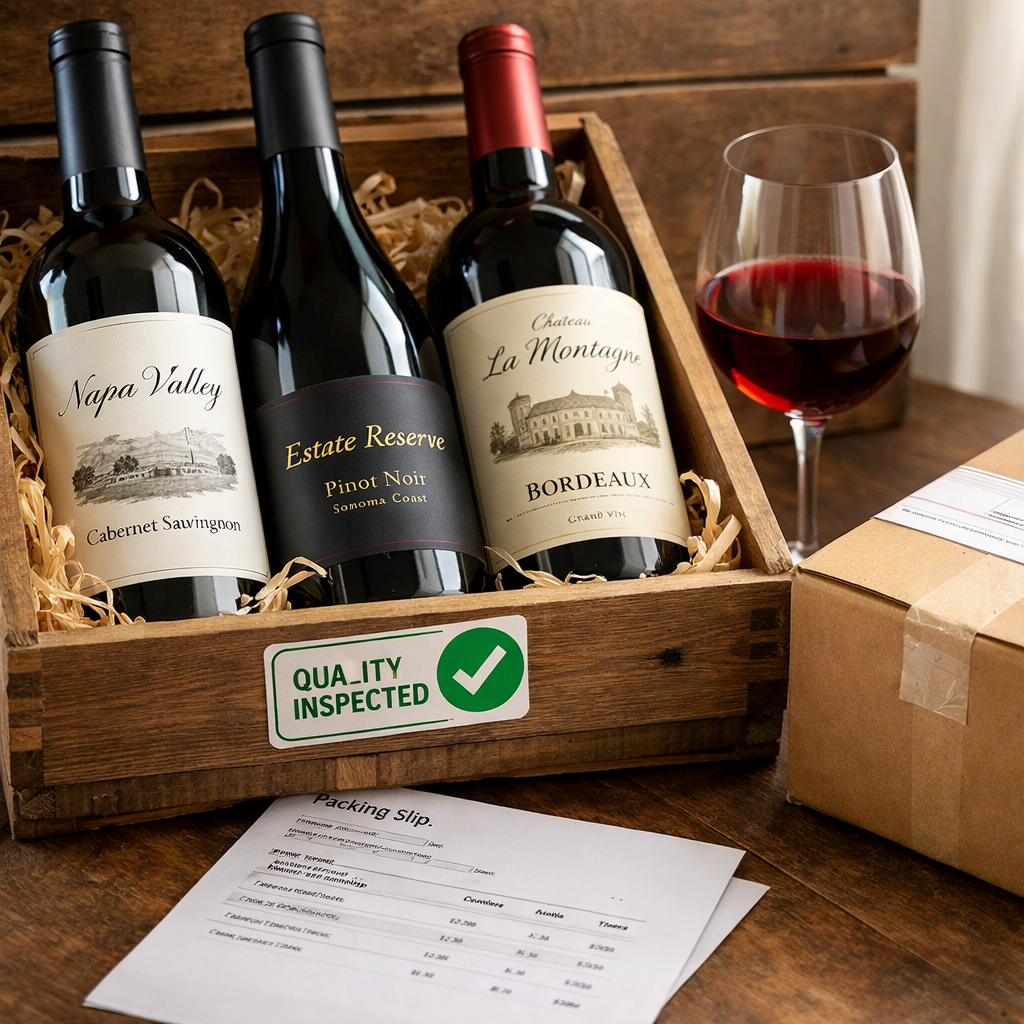
Buy Direct With Confidence: Premium Wine Brands Delivering Quality
Buying direct puts you closer to the people and places behind the bottle—and that’s the fastest path to premium quality you can trust. This guide shows you how to identify affordable premium wine brands that sell winery direct or via modern DTC platforms, verify provenance and value, and get fast, legal delivery. You’ll learn what “premium” really means, how to confirm authenticity in minutes, and which food-friendly styles consistently overdeliver in the $12–$30 range. Along the way, we’ll anchor decisions to transparent labels, credible third‑party signals, and smart shipping protections so you can buy wine online with confidence—whether you prefer one-off purchases, a premium wine subscription, or long-term winery relationships.
Why buying direct builds confidence
Direct-to-consumer wine reduces uncertainty because you see exactly who made the wine, where it comes from, and how it will reach you. Wineries and DTC-focused brands bypass intermediaries to build direct relationships, improving education, allocation access, support, and service—core drivers of trust for premium shoppers, as highlighted in the premium wine market outlook from Data Bridge Market Research. My Paired Wine curates these direct options with dish‑first guidance and clear origin data so you buy with context.
The digital shift is real: online’s share of premium wine jumped from roughly 2% in 2019 to about 10% in 2020 and has held near that mark, rewarding nimble, digitally native sellers and winery direct programs that prioritize education and fulfillment, according to the Deloitte Digital wine industry report.
DTC wine (definition, 40–50 words): DTC wine is a sales model where wineries or digitally native brands sell straight to consumers—online, in tasting rooms, or via clubs—without wholesalers or retailers. Buyers get transparent origin details, curated allocations, and responsive service. Producers gain data, higher margins, and loyalty that fund better education and shipping protections.
Keywords to know as you buy wine online: direct-to-consumer wine, winery direct, premium wine subscription.
How My Paired Wine simplifies premium choices
We turn “What’s for dinner?” into a confident, traceable bottle in minutes. Start with your dish, map it to approachable wine styles, then we surface affordable premium options in your area—bottles with clear origin, credible notes, and fast, legal fulfillment. Provenance is a quality check, not a buzzword.
- My Paired Wine: dish-first curation, transparent origin details, and in‑stock filters that respect your timeline.
- Typical marketplaces: thousands of options, but limited pairing guidance and uneven provenance details that slow decisions.
Ready for tonight’s match? Explore our Wine Pairings hub for dish-first picks and quick pairing rules: Wine Pairings. If you’re value hunting, our affordable premium guide explains how to spot $12–$30 winners: affordable premium guide.
What premium quality means
Premium wine (definition, 40–50 words): Wines typically priced around $15–$50-plus made from lower-yield vineyards, selective harvesting, and quality-focused cellar work. They emphasize origin, technique, and vintage, showing balance, texture, and length. Premium tiers often include limited releases and club allocations that spotlight site character and thoughtful winemaking.
Why it costs more: quality farming, labor, and distribution increase prices; in return, buyers get distinctiveness and better balance. Consumers are trading up for quality—premiumization led by Millennials and Gen Z—per the Data Bridge Market Research premium wine outlook. In the U.S., the $15–$49.99 “masstige” tier gained in 2025 and is expected to grow modestly in 2026, notes the OH Beverage US wine market analysis. If you’re comparing fine wine vs premium wine, think of fine wine as the rarer, cellar-worthy subset; premium is the broader quality tier for regular enjoyment.
Provenance and traceability checks
Provenance (definition, 40–50 words): The documented chain of a wine’s origin—grape source, region/appellation, producer, vintage, and storage or handling history. Clear provenance reduces counterfeit risk, supports quality assurance, and preserves value for both immediate enjoyment and potential long-term cellaring.
Trust levers matter. Economics research shows expert ratings and producer reputation significantly increase willingness to pay and reduce uncertainty, especially online. Smart packaging—QR/NFC labels that unlock tech sheets and authenticity data—also strengthens confidence and storytelling, as tracked in tech innovations shaping wine. On My Paired Wine, we prioritize links to producer pages and tech sheets so you can verify key details in a click.
Use this quick checklist before you buy direct:
| Label/Tech Sheet Item | What It Proves | Where to Find It |
|---|---|---|
| Region/Appellation (AVA, AOC, DOC/DOCG) | Legal origin and style benchmarks | Front label; tech sheet |
| Vineyard Source/Single-Vineyard | Specific site and farming provenance | Back label; product page |
| Vintage | Harvest year and expected profile | Front label |
| Grape Varieties | Style, structure, and pairing clues | Front/back label; tech sheet |
| ABV | Ripeness and body | Front/back label |
| Aging Regimen (oak/steel, time) | Texture, spice, and complexity | Tech sheet; product page |
| Bottler/Estate-Bottled | Who made/bottled it and where | Back label |
| Lot Number | Traceability through production | Back label; capsule |
| QR/NFC Link | Authenticity, detailed specs, and story | Back label; neck tag |
Keywords to know: wine provenance, traceability, authenticity, QR wine labels.
Affordable premium in the $12–$30 sweet spot
At this price, you’re paying for origin clarity and craft—so ask brands to show their work. Around $25, consumers face many substitutes; brand story and trust often decide the sale, according to the OH Beverage analysis. Focus on verifiable signals:
- Transparent producer info and vineyard sourcing.
- Clear regional typicity (DOC/DOCG/AOC/AVA) and vintage.
- Credible third‑party notes or scores linked on the product page.
My Paired Wine highlights $12–$30 bottles with verifiable site, vintage, and producer details to make like‑for‑like comparisons simple.
Side note on everyday value: Premium 3L box wines priced $20–$30 equal roughly $5–$7 per 750ml. When freshness (pack date) and provenance are clear, they’re a smart, low-waste choice for weeknights—especially for crowd-pleasing whites and rosés, per the same market review.
Keywords to know: affordable premium wine, value wine, best wines under $30.
Fast legal fulfillment without compromising quality
Premium bottles should arrive fast and in good shape. Cold-chain and flexible routing guard quality and reduce lead times, particularly across seasons and distances, a best practice called out in the Deloitte Digital wine industry report. With average DTC shipment prices hitting record highs in 2025, according to OH Beverage, service and protection are central to premium positioning. On My Paired Wine, we favor sellers that offer temperature‑safe options and clear delivery timelines.
Cold-chain shipping (definition, 40–50 words): A temperature-controlled logistics process that keeps wine within safe ranges from warehouse to delivery. By avoiding heat spikes and freezing temps, cold-chain preserves aromatics, structure, and freshness. It’s essential for premium and ageworthy bottles, especially during seasonal extremes or long-distance transport.
Keywords to know: temperature-controlled shipping, fast wine delivery, legal wine shipping.
Premium styles that overdeliver with food
Red wine remains a dominant premium segment globally, and Europe’s heritage and origin rules define styles that pair predictably well, per the premium wine market outlook from Data Bridge. Start with these dish-first matches:
- Salmon, roast chicken → Pinot Noir, Chardonnay
- Spicy takeout, Thai → Off-dry Riesling
- Caprese, herbed veggies → Verdicchio, Sauvignon Blanc
- Tomato pasta, pizza → Sangiovese, Montepulciano
- Steak, burgers → Malbec, Côtes du Rhône
- Sushi, poke → Dry Riesling, Albariño
- Creamy pasta → Chardonnay, Soave
- Tacos al pastor → Garnacha Rosado, Zinfandel (lighter styles)
Keywords to know: best wine with salmon, beginner-friendly wines, food and wine pairing, Pinot Noir, Riesling, Chardonnay.
How to use our four content categories
Match your intent to the right resource so you get to the glass faster.
- Wine Basics: quick definitions, label decoding, storage, and serving temperatures.
- Food Pairings: dish-first matches for tonight’s menu, with sensible swaps.
- Wine Pairings: grape/region spotlights with value picks and origin context.
- Wine Accessories: tools that help you open, serve, and preserve well.
Step-by-step: Identify your dish → Pick a style (with at least one alternative) → Verify provenance and vintage on the product page → Confirm fast, legal delivery and adult signature in your area → Check out using temperature-safe shipping windows.
Keywords to know: wine basics, wine accessories, food pairings, wine education.
Direct purchase tips for first‑time buyers
- Confirm region/appellation, vintage, and bottler on the label.
- Scan QR/NFC for authenticity and download the tech sheet.
- Look for third-party ratings or critic notes linked on the page.
- Choose temperature-safe shipping or hold-until-cool options.
- Save preferences and past orders to enable smarter recommendations—AI engines are already improving taste predictions for clubs and direct sellers, as covered in tech innovations shaping wine.
Keywords to know: first-time wine buyer, buy wine direct, wine club tips.
Sustainable packaging and climate‑smart practices
Sustainability is also a quality signal. Many producers are cutting emissions via water conservation, energy efficiency, and lighter packaging, according to global trends and climate challenges. Biodegradable materials and lightweight bottles are gaining ground, notes tech innovation tracking.
Climate adaptation is underway: warmer seasons shift harvest timing and yields; major regions are trialing heat-tolerant varieties (Bordeaux among them) to protect wine quality over time, per these same sources.
Lightweight glass (definition, 40–50 words): Bottles engineered to reduce mass while preserving strength, typically lowering transport emissions and freight costs. Paired with reliable closures and protective packaging, lightweight glass safeguards wine quality and presentation, helping climate-smart brands meet sustainability goals without compromising durability or shelf appeal.
Keywords to know: sustainable wine, lightweight glass, climate-smart wine, eco-friendly packaging.
Common pitfalls to avoid when buying direct
- Skipping provenance details → Always verify region/appellation, producer, and vintage.
- Ignoring shipping weather → Use cold-chain or hold-until-cool options before checkout.
- Overlooking pricing context → Compare within the $12–$30 tier using origin and style benchmarks; remember the crowded $25 decision point from the OH Beverage analysis.
Market watch: Supermarket still-wine sales fell about 3% in 2025 vs. 2024, with reds down more sharply—another reason to favor curated, provenance-rich direct options, per this industry update on U.S. retail sales.
Keywords to know: avoid wine scams, wine buying mistakes, direct wine shipping tips.
Frequently asked questions
How can I verify a wine’s authenticity and provenance before I buy direct?
Check the label for region/appellation, vintage, producer, and bottler, then scan any QR/NFC codes for tech sheets and origin details. On My Paired Wine, we link credible notes and shipping policies so you can confirm quickly.
Is buying direct cheaper and how do I judge fair pricing?
It depends on the winery and shipping. Judge value by provenance clarity, trusted reviews, and style benchmarks around $12–$30—My Paired Wine surfaces these signals so you can decide quickly.
What shipping protections keep premium wine safe in transit?
Choose temperature‑controlled shipping or weather holds, and require an adult signature. These protections maintain wine quality; My Paired Wine favors sellers that offer them.
What label details signal quality and help with pairing?
Look for region/appellation, vintage, grape(s), ABV, aging method, and bottler/estate-bottled—on My Paired Wine, these details appear on product pages. These reveal style and structure, helping you match wines like Pinot Noir or Chardonnay to dishes such as salmon or roast chicken.
Can I get personalized recommendations when purchasing direct?
Yes. Many direct sellers use taste quizzes and purchase data to tailor picks, and My Paired Wine maps your dish to styles first, then surfaces traceable bottles available for fast, legal delivery near you.