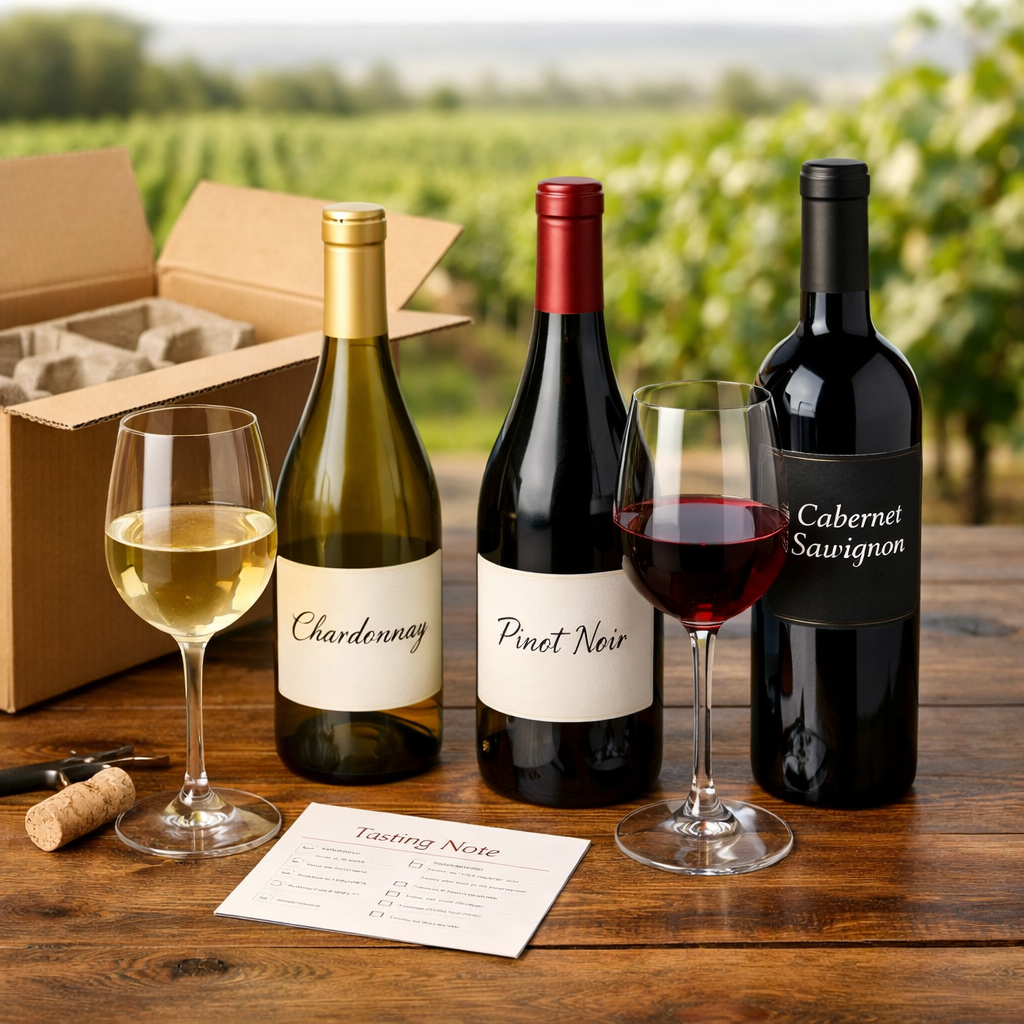
Best Affordable Premium Wine Brands to Buy Direct from Wineries
Looking for affordable premium wine brands to buy direct? This My Paired Wine guide spotlights producers in the $15–$40 “sweet spot” whose bottles deliver craftsmanship, terroir, and easy weeknight pairings—often at fair release prices and with fresher stock. It’s built for everyday cooks and new-to-intermediate enthusiasts who want reliable, food-friendly wines without luxury markups. Direct-to-consumer (DTC) wine means purchasing straight from a winery online or through a club; you’ll often get earlier access to limited releases, accurate provenance, and occasional member pricing or shipping deals. Note that shipping costs, regional restrictions, and order minimums can apply. Read on for why buying direct matters, how we define value, and which producers consistently overdeliver.
Why buy direct from wineries
Buying direct secures release pricing, early access to small-production bottlings, and periodic winery-only offers—advantages that value-focused critics and trusted bottle roundups consistently emphasize for dependable quality and availability (see Food & Wine’s “wines you can always trust” perspective for context on reliable selections). You also get provenance you can trace from cellar door to your doorstep, which matters for freshness and storage integrity.
- Pros
- Access release pricing, seasonal offers, and members-only cuvées
- Reliable provenance and fresher stock
- Priority for winery allocations on popular wines
- Cons
- Shipping costs and weather holds can add time and expense
- Wine shipping restrictions vary by state/region
- Order minimums sometimes apply
For price-value expectations and the way strong bottles under $40 sell through quickly, see the patterns highlighted in James Suckling’s annual value lists that focus on $40-or-less releases. At My Paired Wine, we favor estates with clear DTC channels and food-friendly profiles that stay consistent across vintages.
How we define affordable premium
Our value zone is $15–$40. In this range, you can expect thoughtful winemaking, varietal clarity, and authentic regional character—without the heavy markups of luxury tiers. Many producers release limited runs via DTC that preserve value and make availability more predictable. Critics consistently highlight this price band as a sweet spot for sparkling wines and regional whites that overdeliver on texture and acidity, reflecting broad tasting coverage of thousands of wines in major value roundups from global regions (see the Financial Post’s survey of the “best wines under $50” for a data-backed view across styles and origins).
“Affordable premium wine” is a bottle typically priced $15–$40 that shows clear regional character, thoughtful winemaking, and reliable quality without luxury markups. These wines often come from reputable producers and, when bought direct, can include limited-release or members-only bottlings at fair release prices.
How to use this list for better food pairings
- Start with your dish.
- Choose a style: sparkling, crisp mineral white, aromatic/savory white, or versatile red.
- Match acid and texture: high-acid wines lift rich or salty foods; moderate oak complements butter and roast notes.
- Check each producer’s note for a food anchor (oysters, roast chicken, tomato salads). For more, explore food pairings and weeknight ideas in My Paired Wine’s pairing categories:
- Wine Pairings: https://mypairedwine.com/categories/wine-pairings/
- Best Wine Pairings: https://mypairedwine.com/categories/best-wine-pairings/
My Paired Wine
Written by David James, My Paired Wine is food-first, approachable guidance that prizes versatility and value. You’ll find precise dish pairings (from salmon to roast chicken to fresh tomato salads), practical cooking-with-wine tips, and accessory pragmatism—think a good waiter’s corkscrew, sturdy all-purpose stems, and a Champagne stopper to keep bubbles lively for sauces and second pours. Our picks emphasize DTC availability, freshness at release, and easy pairing. Start exploring at https://mypairedwine.com/.
Langlois
Langlois Crémant de Loire is a Champagne-alternative sparkler with traditional-method texture and brisk, food-ready acidity. Built on chenin blanc and aged for creaminess, it routinely lands around $25 and excels with salty snacks, sushi, and fried chicken. Expect weeknight versatility and enough acidity to cellar short-term for added complexity, as noted in broad value reporting that highlights traditional-method crémant as a standout.
Graham Beck
Graham Beck Brut Rosé brings méthode traditionnelle credibility from South Africa at an everyday price near $20. Bright strawberry fruit and a fine bead make it party-ready, brunch-friendly fizz. Pair with smoked salmon, roast chicken sandwiches, and spicy takeout—the rosé profile flatters both savory and lightly sweet notes often found on a grazing table.
Domaine William Fèvre
Fèvre’s Chablis offers flinty minerality and cutting acidity that elevate seafood and lemony poultry at the top of the value band (about $40). Its mineral-saline profile is tailor-made for raw oysters, seared scallops, and roast chicken with lemon; that stony backbone cleanses butter and heightens briny sweetness.
Dog Point
Dog Point Sauvignon Blanc is a textured, savory Marlborough benchmark that outperforms mass-market peers. Expect citrus, chalky texture, and zesty acidity around $24—excellent with goat cheese salads, asparagus risotto, and herb-roasted chicken. The wine’s herbaceous lift makes green vegetables pop without overwhelming delicate flavors.
Schiopetto
Schiopetto Pinot Grigio Collio is a precision-driven, mineral Italian white that proves how good PG can be. Recognized as Value Wine of the Year at roughly $18 in James Suckling’s 2025 “Everyday Gems,” it’s all about clean texture and citrus-mineral snap—perfect for Caprese, shrimp scampi, and vegetable antipasti.
Jean-Marc Burgaud
Burgaud Morgon Côte du Py delivers concentrated, structured Beaujolais (Gamay) that flexes from weeknight to dinner party. It topped James Suckling’s Top 100 Value Wines of 2024 at around $25, a signal of both quality and value. Chill it lightly and pour with roast chicken, charcuterie, or mushroom dishes to highlight its fruit-spice interplay.
Familia Zuccardi
Zuccardi “Q” Chardonnay offers sense-of-place freshness with apple and stone-fruit notes, from a leading sustainable producer, typically near $21. Expect balanced oak that supports—not masks—the fruit. It’s a go-to for salmon with citrus butter, roast chicken, and creamy vegetable pasta where you want lift and texture, not heaviness.
Bodegas Hidalgo La Gitana
Manzanilla En Rama is a saline, nutty aperitif with intensified cask character—bottled more directly from barrel for amplified flavor. Usually around $37, it’s an insider’s pick for tapas: anchovies, olives, tortilla española, or even sushi. Serve well-chilled and finish within a few days of opening to keep its delicate snap.
Bonus shortlist by style
A quick style-first cheatsheet to match your meal fast.
Sparkling values
Traditional-method sparklers under $35 bring Champagne-like technique with food-friendly acidity.
- Langlois Crémant de Loire Réserve Brut (chenin blanc; traditional method; creamy)
- Graham Beck Brut Rosé MCC (strawberry fruit; méthode traditionnelle)
- Clothilde Davenne Crémant de Bourgogne Extra Brut (chardonnay-pinot; light, crisp)
Food anchors: fried chicken, sushi, pizza bianca.
Crisp mineral whites
Flinty, high-acid bottles that slice through briny and buttery dishes.
- Domaine William Fèvre Chablis (flinty minerality; edgy acidity)
- Schiopetto Pinot Grigio Collio (precision, freshness; standout value)
Food anchors: oysters, white fish, lemon roast chicken.
Aromatic and savory whites
Textured whites with herbaceous or stone-fruit notes that handle greens and aromatic herbs.
- Dog Point Sauvignon Blanc (savory citrus; chalky texture; oyster-friendly)
- Familia Zuccardi Chardonnay Q (apple/stone fruit; sustainable; sense of place)
- Marchelle Old Vines Colombard (fresh, tart, lush texture; revived vineyard)
Food anchors: herb-roasted chicken, asparagus, pesto pasta.
Versatile reds for the table
Medium-bodied, high-acid reds that flex from pasta to poultry.
- Jean-Marc Burgaud Morgon Côte du Py (concentrated Gamay; top value recognition)
- Le Ragnaie Rosso di Montalcino (“baby Brunello” released sooner; smoke and dried herb)
- Santa Cristina Chianti Superiore (~$20; Tuscan structure, trusted pedigree; see Blackwell’s curated under-$50 picks)
Food anchors: pizza, tomato pasta, roast chicken, mushroom risotto.
What to expect on pricing and availability
Release pricing for these producers typically aligns with the $15–$40 value band; some cuvées sell out seasonally and move to allocations for members and mailing-list buyers. Leading critics confirm a deep bench of highly rated wines under $40 across regions, with sparkling and regional whites repeatedly cited as high-value categories.
| Producer | Typical Direct Price | Release Window | Shipping Notes | Food Pairing |
|---|---|---|---|---|
| Langlois Crémant de Loire Brut | ~$25 | Year-round | Direct or via official estate shop; weather holds vary | Fried chicken, sushi |
| Graham Beck Brut Rosé MCC | ~$20 | Year-round | Broad DTC coverage; watch for seasonal promos | Smoked salmon, spicy takeout |
| Domaine William Fèvre Chablis | ~$40 | Spring/Fall | Allocations on select cuvées; standard ground options | Oysters, lemon chicken |
| Dog Point Sauvignon Blanc | ~$24 | Spring | Quick sell-through; case shipping can lower costs | Goat cheese salad |
| Schiopetto Pinot Grigio Collio | ~$18–22 | Spring/Summer | Importer-facilitated DTC in many states | Caprese salad |
| Burgaud Morgon Côte du Py | ~$25–30 | Fall | Small allocations; join the list early | Roast chicken, mushrooms |
| Zuccardi “Q” Chardonnay | ~$21–24 | Year-round | Club discounts common; warm-weather packs in summer | Salmon, creamy pasta |
| Hidalgo La Gitana Manzanilla ER | ~$35–40 | Spring | Limited seasonal bottlings; drink fresh on arrival | Tapas, anchovies |
Direct buying tips for better value
- Join winery mailing lists and allocations to secure release pricing, priority access, and members-only bottlings (a common thread in trusted-bottle roundups like Food & Wine’s guidance on consistent picks).
- Favor producers with transparent sourcing and sustainable practices; these estates tend to deliver reliable, long-term value across vintages, as broad under-$50 reporting underscores.
- Compare total landed cost: divide your checkout total (wine + shipping + tax/duty) by bottles to see your per-bottle price versus local retail. Consider order minimums and cross-border duty before submitting. Use the table above for typical shipping patterns and release windows.
Pairing playbook for weeknight favorites
Salmon
- Principle: Match richness with acidity and moderate oak; avoid heavy tannins.
- Best styles: Sparkling rosé or balanced Chardonnay.
- Try: Graham Beck Brut Rosé MCC for freshness, or Familia Zuccardi Q Chardonnay for citrus-butter salmon.
Roast chicken
- Principle: High-acid whites or light-to-medium reds love savory, herbed poultry.
- Best styles: Chablis; Beaujolais (lightly chilled).
- Try: Domaine William Fèvre Chablis with lemon-herb chicken, or Jean-Marc Burgaud Morgon for roast chicken and mushrooms.
Caprese salad
- Principle: Bright acidity and minerality complement tomato and basil.
- Best styles: Collio Pinot Grigio; savory-herbal Sauvignon Blanc.
- Try: Schiopetto Pinot Grigio Collio for precision, or Dog Point Sauvignon Blanc for basil synergy.
Frequently asked questions
What does affordable premium mean for direct purchases
It’s the $15–$40 range where wines show clear regional character and solid winemaking without luxury markups. At My Paired Wine, we focus our picks in this zone for food-first versatility.
Is buying direct actually cheaper than retail
It can be, especially when you secure release pricing or members-only offers. Compare your landed cost; My Paired Wine highlights typical release prices to help.
How do shipping and state restrictions work
Wineries ship to many states but not all; availability, costs, and minimums vary. Check the winery’s shipping page and consider weather holds for safe delivery, as noted in our table.
How do I store these wines once they arrive
Keep bottles on their sides in a cool, dark place around 55°F with minimal temperature swings. Sparkling and delicate whites are best enjoyed within a year or two.
Which styles are most versatile for cooking and pairing
Sparkling rosé, mineral whites like Chablis or Collio Pinot Grigio, and medium-bodied reds like Beaujolais or Chianti cover everything from salads and seafood to roast chicken and pasta. My Paired Wine pairing playbooks rely on these flexible styles.
Citations:
- Trusted bottle perspective on consistent picks: Food & Wine “50 wines you can always trust” https://www.foodandwine.com/wine/50-wines-you-can-always-trust
- Top value recognition for Burgaud Morgon Côte du Py: James Suckling Top 100 Value Wines 2024 https://www.jamessuckling.com/wine-tasting-reports/top-100-value-wines-of-2024-40-or-less
- Broad under-$50 analysis across styles/regions: Financial Post “The 50 best wines under $50” https://financialpost.com/pmn/business-pmn/the-50-best-wines-under-50-from-our-critic-who-tasted-2874
- Value Wine of the Year (Schiopetto Pinot Grigio Collio): James Suckling 2025 Everyday Gems https://www.jamessuckling.com/wine-tasting-reports/top-100-value-wines-2025-everyday-gems
- Under-$50 curation (Chianti example): Blackwell’s Wines blog https://www.blackwellswines.com/blogs/news/best-wines-under-50-high-quality-bottles-that-overdeliver