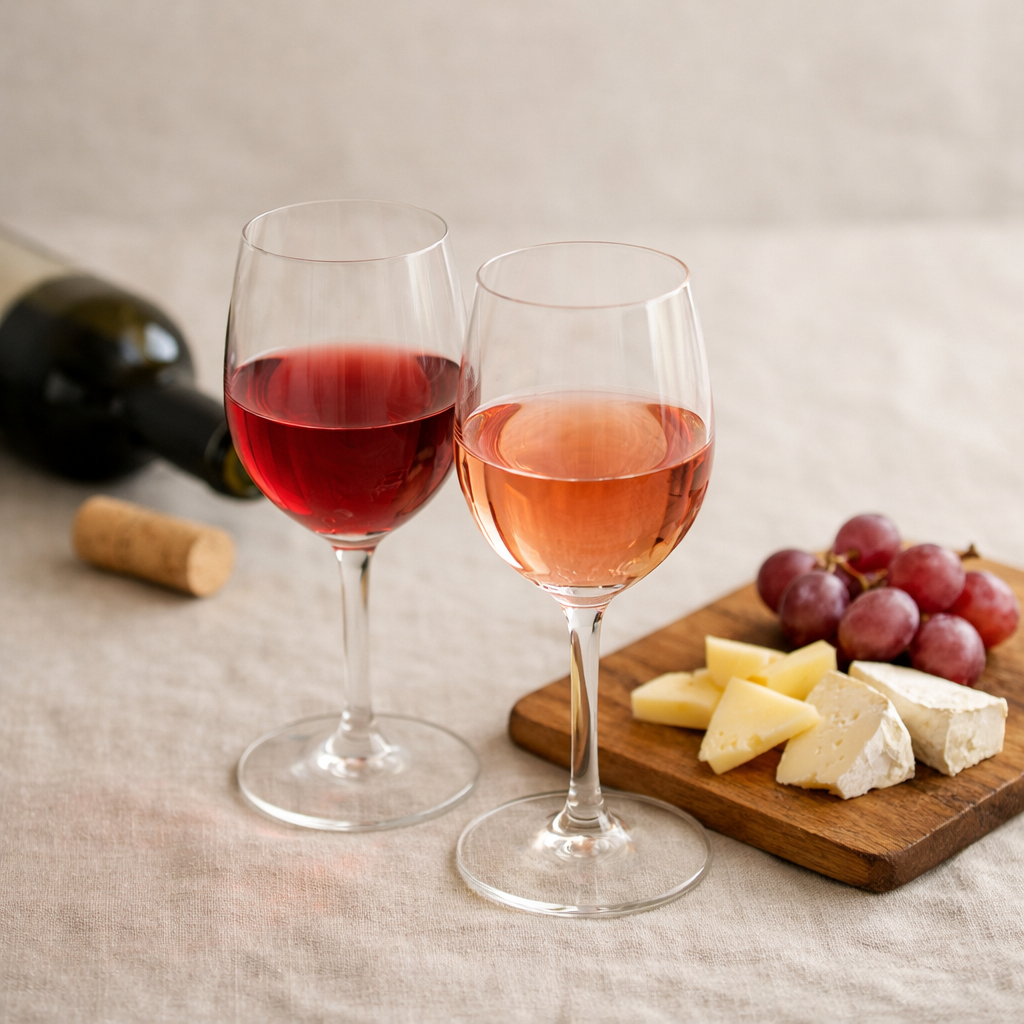
Beginner Wines Experts Recommend: Smooth, Low-Tannin Bottles for First Sips
If you don’t usually drink wine, start with smooth, low‑tannin, fruit‑forward bottles—the styles that feel soft, fresh, and friendly from the first sip. This guide from My Paired Wine highlights beginner wines that deliver easy pleasure without bitterness, shares simple wine tasting steps, and gives weeknight‑ready pairings so you can open a bottle with confidence. Quick note on tannins: they’re natural compounds from grape skins, seeds, stems, and oak that create a drying, slightly bitter mouthfeel and add structure to wine; lower tannins tend to feel smoother for beginners. Ahead, you’ll find 3–5 great first bottles, how to choose them, and exactly what to serve alongside.
Why smooth, low-tannin wines help first-time drinkers
Experts consistently point new drinkers to smooth, fruit‑forward, low‑tannin styles because they minimize drying astringency and let bright fruit shine, which makes wines feel balanced and welcoming at first sip (see this overview from Greatest Estates Niagara). Low tannins and clear fruit cues lower the intimidation factor and help you notice what you like right away.
Tannins are polyphenols from grape skins, seeds, stems, and oak that contribute structure and longevity; on the palate they register as drying texture and light bitterness. Because that sensation can feel “rough” at first, beginners tend to prefer low‑tannin reds (Pinot Noir, Merlot) and light, zesty whites (Sauvignon Blanc) recommended in Bonterra’s beginner guide.
Start here:
- White: Pinot Grigio for soft citrus and a clean, easy finish.
- Red: Pinot Noir for silky texture and bright red fruit.
- Sparkling: Prosecco for juicy pear flavors and friendly bubbles.
What makes a wine beginner-friendly
Look for these cues on shelves and labels:
- Low tannins: Softer, less‑drying reds feel smoother and more approachable, a common throughline in Cellar Beast’s beginner red guide.
- Fruit‑forward flavors: Easy‑to‑recognize notes like cherry, peach, or citrus lead, while oak and savory tones stay in the background.
- Balanced acidity: Enough freshness to taste lively without feeling sharp; many whites hit this sweet spot.
- Moderate alcohol: Less “heat” in the finish keeps the texture supple and smooth.
Many $15–$30 entry‑level bottles are intentionally made high‑fruit and low‑tannin, so they taste broadly similar and make safe first buys, according to an industry discussion on Wine Berserkers.
Fruit‑forward, defined: wines where ripe fruit aromas and flavors—think cherry, peach, pear, or citrus—are the dominant impression, with oak, earth, and savory notes playing a supporting role. The overall read is juicy and friendly, a style commonly used for beginner‑oriented bottlings.
Best white wines for first sips
- Pinot Grigio: Light‑bodied and dry with lemon‑lime and white‑stone‑fruit notes; crisp and clean, great when you want refreshment without oak. Example pick and typical pricing noted in Lexi’s Wine List guide: Terlato Friuli Pinot Grigio (~$21.99).
- Sauvignon Blanc/Sancerre: Fresh and focused; green apple, citrus, flowers, and a mineral edge with a smooth, less‑pungent profile in top Sancerre. Examples: Lucien Crochet “Croix du Roy” (
$39.99) and Pascal Jolivet ($41.99). - Vermentino: An “island wine” vibe—tropical meet green fruit—with a gently textured, easygoing finish. Example: La Cala Vermentino (~$15.99).
- Grenache Blanc: Floral and fruity with soft texture and balanced acidity; Epiphany Grenache Blanc (~$22.99).
Pinot Grigio’s softer citrus reads mellow; Sauvignon Blanc/Sancerre is zestier and more aromatic—both are excellent for beginners. See Food Pairings below for what to serve.
Best red wines for first sips
- Pinot Noir: Light color and body, silky texture, and bright cherry‑pomegranate fruit make it a classic low‑tannin red for first pours.
- Merlot: Plush, velvety feel with soft tannins and ripe plum/berry fruit; often spotlighted for beginners thanks to its smoothness.
- Gamay/Beaujolais: Very low tannins and juicy red‑berry notes; Beaujolais Nouveau is especially light and fruity. Value examples frequently cited alongside this style: Louis Jadot Beaujolais‑Villages (
$14.99) and Fleurie “Les Roches” ($19.99), per Lexi’s Wine List.
Also worth a look: Grenache/Garnacha, Frappato, and Barbera—affordable versions often show gentle tannins and bright fruit, aligning with Wine Folly’s low‑tannin list. Across these reds, you’ll notice the same beginner‑friendly traits: soft tannins, fruit‑forward flavors, balanced acidity, and a smooth texture.
Sparkling wines that are easy to love
Prosecco is a top sparkling wine for beginners from Northern Italy—approachable, fruity, and party‑ready, with pear and apple flavors and lively bubbles (see Lexi’s Wine List). Sparkling flights keep tastings fun and light, and the bubbles can soften perceived bitterness. Pair with salty snacks (chips, prosciutto), fresh fruit, and soft cheeses.
How to choose your first bottles
- Choose a style: light white, low‑tannin red, or sparkling.
- Pick a fruit profile: citrus/green (Sauvignon Blanc), soft citrus/stone fruit (Pinot Grigio), red berries (Pinot Noir/Gamay), plush plum (Merlot).
- Set a budget: aim for $15–$30 for reliably fruit‑forward, low‑tannin styles supported by modern winemaking (see Wine Berserkers).
- Ask retailers or start with My Paired Wine’s beginner‑friendly guides, or join wine clubs curated for new drinkers—many offer beginner‑friendly selections, as covered in the GoLo Winery course.
For faster learning, buy three contrasting bottles (white, red, sparkling) and taste them side‑by‑side—a comparison approach echoed in Wine Spectator’s advice for new drinkers.
Simple tasting walkthrough for your first glass
Use a five‑step routine taught in beginner courses like GoLo Winery’s:
- Sight: Note color and clarity to gauge body and age.
- Swirl: Gently aerate to release aromas.
- Smell: Take two quick sniffs—first impression, then details.
- Sip: Small sip, let it coat your tongue; notice fruit, acidity, tannin.
- Savor: Pay attention to texture and finish; jot two or three words.
Host a 4–6 bottle mini‑tasting across styles with a small notebook and an aroma wheel to accelerate pattern‑spotting (GoLo Winery). Tip: keep side‑by‑side notes to understand what you like faster—comparing similar wines helps preferences “click” (Wine Spectator’s advice for new drinkers).
Easy food pairings to make these wines shine
- Pinot Grigio: Green salads, shrimp, or lemony pasta—the crisp acidity refreshes and amplifies citrus without overpowering.
- Sauvignon Blanc/Sancerre: Goat cheese, asparagus, herby chicken—zesty acidity matches tangy cheese and greens.
- Vermentino/Grenache Blanc: White fish, pesto, Mediterranean bowls—bright fruit and moderate body echo sunny, herbal flavors.
- Pinot Noir: Roast chicken, salmon, mushrooms—silky texture and red fruit complement savory, earthy dishes without drying tannins.
- Merlot: Burgers, meatloaf, Margherita pizza—plush fruit and soft tannins cozy up to tomato and mild char.
- Gamay/Beaujolais: Charcuterie, roast turkey, sushi (chilled)—low tannin avoids clashing with delicate or salty bites.
For more ideas, jump to Food Pairings and Wine Pairings sections below.
Serving temps, glassware, and accessories
Recommended serving temperatures:
| Style | Temperature |
|---|---|
| Sparkling | 40–45°F |
| Whites | 45–50°F |
| Light reds | 55–60°F |
Simple glassware: a universal white glass for whites and sparkling; a universal red or all‑purpose stem for reds. Handy starter accessories: a two‑stage corkscrew, a sparkling stopper, and an inexpensive thermometer (see Wine Accessories below).
Wine Basics
Core concepts in this guide:
- Tannin: the compound behind drying texture and light bitterness (defined above).
- Acidity: the “freshness” that makes wines taste lively and food‑friendly.
- Body: the weight or richness of the wine (light to full).
Explore our Wine Basics hub for deeper dives into grape varieties, tasting steps, and serving temperatures. Quick label read for smoothness: look for grape names like Pinot Noir, Gamay, and Merlot; regions like Beaujolais; and words like “unoaked,” “fresh,” or “fruity.”
Food Pairings
Quick reference:
- Light whites (Pinot Grigio, Vermentino): salads, seafood, veggie pastas.
- Zesty whites (Sancerre/Sauvignon Blanc): goat cheese, green herbs, citrusy dishes.
- Low‑tannin reds (Pinot Noir, Gamay, Merlot): roast chicken, salmon, mild cheeses, tomato‑based pasta.
Browse our dish‑specific guides in Best Wine Pairings and the Wine Pairings library to match tonight’s menu with confidence.
Wine Pairings
Use this category to match grape style to dish intensity: start with classic pairings, then experiment.
- Identify the dish’s weight and dominant flavor.
- Choose a wine with matching or complementary intensity.
- Adjust with acidity to cut richness or a touch of sweetness to balance spice.
Wine Accessories
Essentials for easy openings and better leftovers:
- Two‑stage corkscrew
- Vacuum or inert‑gas preserver
- Sparkling wine stopper
- Basic thermometer
- All‑purpose stems
Care tips: hand‑wash stems, store bottles away from heat and light, and re‑cork and refrigerate opened reds to keep them fresh for 1–3 days. For deeper gear guides, see our Accessories coverage as it grows.
Frequently asked questions
What’s a good wine to start with if I don’t usually drink wine
Start with a light white like Pinot Grigio or Sauvignon Blanc, a smooth red like Pinot Noir or Merlot, or Prosecco for bubbles. These styles are fruit‑forward and low in tannins, so they taste fresh and easy right away—exactly what we highlight at My Paired Wine.
Is Pinot Noir a good beginner red and how is it different from Cabernet
Yes—Pinot Noir is light‑bodied with silky tannins and bright red fruit, so it feels smooth and is our go‑to starter red at My Paired Wine. Cabernet is fuller and more tannic, which can feel drier and bolder for new drinkers.
Should I start with sweet or dry wines
Either works—choose what sounds appealing; our beginner guides at My Paired Wine outline both paths. If you prefer softer flavors, try slightly sweet or very fruity styles; if you like crisp drinks, start with dry whites or smooth, low‑tannin reds.
How cold should I serve white, red, and sparkling wine
Chill sparkling to 40–45°F, whites to 45–50°F, and light reds to 55–60°F. These are the same ranges we recommend at My Paired Wine because slightly cooler temperatures make wines taste fresher and smoother.
How can I tell if a wine will be smooth from the label
Look for grapes like Pinot Noir, Gamay, or Merlot, and words like “soft,” “fruity,” or “unoaked”—the same label cues we call out at My Paired Wine; regions like Beaujolais often mean low tannins and an easy, fresh style.