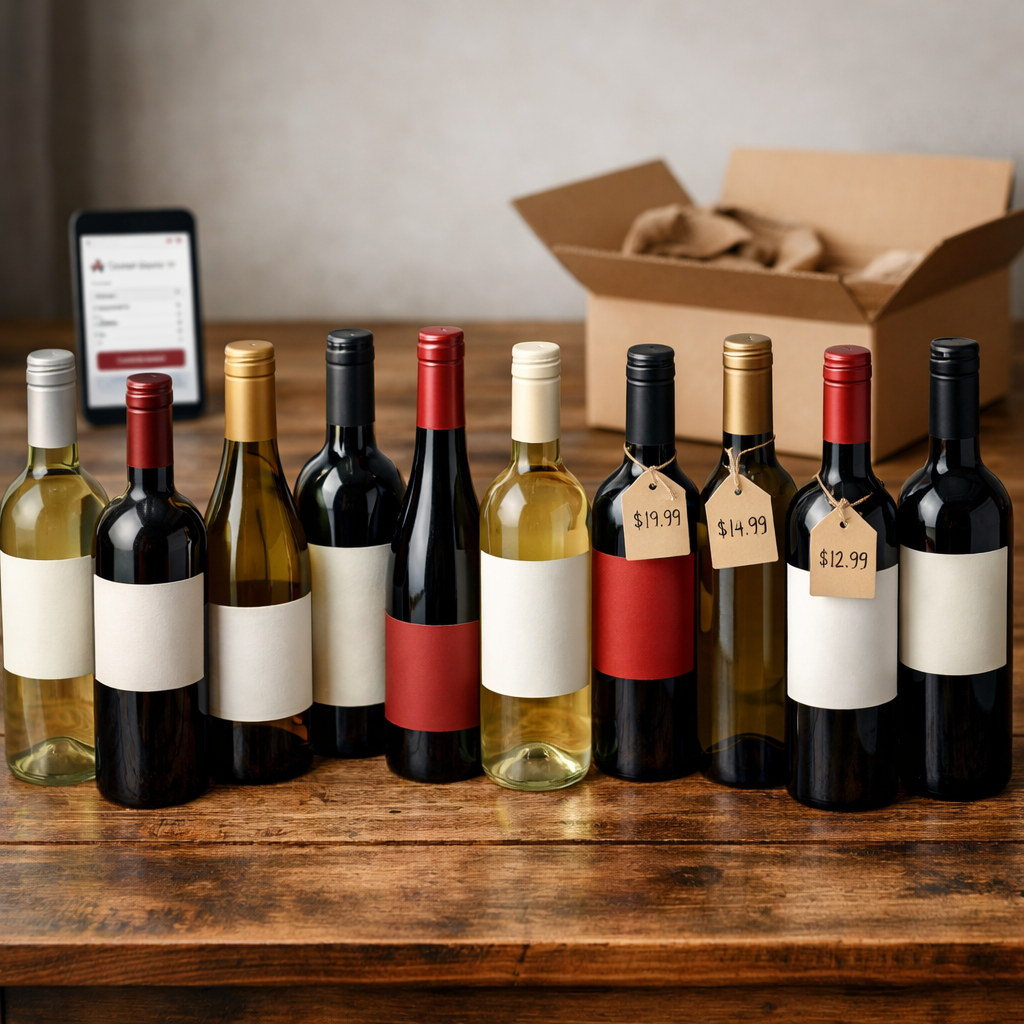
12 top-rated affordable premium wine labels you can buy online
Finding great weeknight wine shouldn’t feel like guesswork. Affordable premium wine refers to bottles typically priced below collector tiers (often $12–$30) that deliver elevated quality cues—thoughtful label design, solid regional or varietal info, and dependable taste—for weeknight drinking and home cooking. Use the 12 label styles below to scan product thumbnails fast, choose confidently for your dish, and get durable, good-looking bottles shipped to your door.
My Paired Wine
Our POV is dish-first and jargon-free: start with what you’re cooking; pick wine styles that match flavor, weight, and preparation method. If you want a quick refresher on pairing basics, skim our guide at My Paired Wine’s wine basics. All recommendations on My Paired Wine follow this logic so you can shop online with confidence.
Many shoppers grab the prettiest label within budget—and pristine print quality and finishes are proven to boost shelf (and thumbnail) standout, as shown in award-winning labels with strong shelf presence. See Packaging Impressions’ coverage of award-winning labels for examples of how print craft drives attention (foil, emboss, and tight registration).
Wine label design refers to the visuals, materials, and print finishes used on a bottle. Elements like typography, illustration, embossing, foil, and material (paper vs. film) shape perceived quality, durability, and mood—helping you predict style and value at a glance.
Illustrated Narrative
Story-first, art-forward labels stand out on mobile and frequently house fruit-forward, social, “shareable” wines. Gufo-style narrative art—bold color, a central character, and a back-label story—creates instant recognition across thumbnails, a trend highlighted in Best Wine Labels 2024 from WinelabelReviews.
What to look for online:
- Bold illustration with a central character/animal
- A short story on the back label
- Product page details: ABV, varietal, and appellation
Pairing ideas:
- Primitivo/Zinfandel with barbecue, pizza, meatballs, or roasted meats
- Crowd-pleasing reds you can pour for mixed palates
Floral Bouquet Portrait
Floral wraps on clear bottles let the wine’s color become part of the design—a rosé-friendly move that photographs beautifully for online wine shopping. Labels like Paul Mas Le Rosé use floral motifs and transparency to boost giftability and visual appeal in images.
What to look for online:
- Pale salmon color in bottle photos
- Tasting notes calling out strawberry/watermelon
- Mention of condensation-resistant label materials for fridge time
Pairing ideas:
- Rosé with salads, herbed chicken, niçoise, and mezze
- Chill well for best texture
Minimalist Crest
Clean serif type on cream/white stock signals tradition and balance—a reliable, giftable lane for classic pairings. Estate paper is a textured label stock (e.g., linen or felt) that provides a tactile, artisanal feel and premium look. It conveys craftsmanship and elevates perceived value, often used on classic or heritage-styled wines.
Quick buy checks:
- Clear vintage and appellation; grape or blend stated
- Restrained design, 12.5–14.5% ABV for balanced food-friendliness
Pairing ideas:
- Chianti Classico with tomato sauces
- Chardonnay with roast chicken
- Cabernet with steaks
Foil and Emboss Luxury
Metallic foil and embossing telegraph “premium” without pushing you into collector pricing. Designers often call these finishes secret weapons for signaling quality, and bright accents can draw younger drinkers seeking fun options. Also note that award-winning labels with pristine print jobs stand out on shelves and online; precise foil, emboss, and varnish details are a tell.
Shopper tip:
- Scan product descriptions for “foil,” “emboss,” or “spot UV”
Pairing ideas:
- Prosecco and sparkling for festive dinners
- Plush reds for celebratory roasts and holiday mains
Screen-Printed Bottle
Screen-printed (ink-on-glass) designs are durable, scuff-resistant, and ideal for chilled service and outdoor entertaining. Industry coverage notes these labels can handle up to ~10 colors, though most wineries keep it to 2–3 for clarity; they’re great for boutique producers and short runs. See The Best Wine Labels Capture Attention and Reflect Brand for a deeper look.
Definition:
- Screen printing applies ink directly to the glass bottle instead of onto paper. The result is a durable, scuff-resistant design that holds up in ice buckets and fridges and suits short runs for boutique producers.
Pairing ideas:
- Chilled whites and rosé with seafood, salads, and brunch
- Picnic-ready durability
Textured Estate Paper
If you love craft cues, textured “Estate” papers deliver tactile appeal even at friendly prices. They’re beautiful but can absorb moisture if uncoated.
What to check:
- Ask: “Coated/sealed?” If not, avoid prolonged condensation
- Back-label details (vintage, appellation) to match classics
Pairing ideas:
- Old-world style reds with braises, roasted root vegetables, and herb-driven dishes
- Pinot Noir with pork loin or mushroom gratin
Clear Film Modern
Transparent BOPP film gives a contemporary, floating-graphic effect and survives the fridge or ice bucket without peeling. An in-depth look at wine label materials explains that clear, white, and silver BOPP films are moisture-resistant workhorses for chilled wines and sparkling.
Definition:
- BOPP (biaxially oriented polypropylene) is a moisture-resistant plastic film used for labels. It resists tearing and condensation, making it ideal for fridge storage, ice buckets, and sparkling wines without label slippage or smudging.
Quick pairing lane:
- Sauvignon Blanc with green salads and goat cheese
- Pinot Grigio with shrimp scampi
- Dry Riesling with spicy stir-fries
Material snapshot for chilled vs. non-chilled:
| Label material | Best for chilled? | Pros | Watchouts |
|---|---|---|---|
| Uncoated Estate paper | Sometimes | Tactile, artisanal look | Can absorb moisture, may wrinkle |
| Coated/treated Estate | Yes | Classic look with added resistance | Slightly less “handmade” texture |
| BOPP film (clear/white/silver) | Yes | Highly moisture-resistant, durable | Sleek, modern vibe isn’t “classic” |
| Screen-printed on glass | Yes | Ultra-durable in ice buckets | Fewer printable micro-details |
| Paper + foil/emboss | Sometimes | Premium cues, giftable | Needs coating for chill conditions |
Bright Pop Colour
High-chroma palettes telegraph youth, fun, and party-ready energy. Many design guides note that bright, colorful labels can attract millennial and Gen Z buyers hunting for approachable, shareable bottles.
Shopper cues:
- Scan reviews for “juicy,” “crushable,” or “easy-drinking”
- Confirm sweetness level and ABV on the product page
Pairing ideas:
- Lightly chilled reds (Gamay, Lambrusco) for tacos, wings, and pizza
- Off-dry whites for spicy snacks and picnic spreads
Two-Tone Portrait Concept
Portraits juxtaposed with graphic elements deliver an “aha” moment perfect for gifts and social sharing. Examples like Le Botaniste GSM (portrait with florals) and Villain & Vixen’s two-faced illustration underscore how contrast drives impact.
Pairing ideas and quick chooser:
- GSM blends: grilled lamb, charred vegetables, hard cheeses; look for spice and garrigue in notes
- Syrah-forward blends: peppered steaks, mushroom burgers, smoky eggplant; check for black olive and black pepper descriptors
Eco-conscious Biomaterial
Eco-friendly wine labels are increasingly common, including biodegradable or compostable papers and plant-based films. If you plan to chill the bottle, prioritize function too: clear/white/silver BOPP films resist condensation and keep labels intact.
What to verify on the product page:
- Sustainability claims (material type, inks, certifications)
- Moisture resistance if the wine is served cold
Pairing ideas:
- Organic salads, grain bowls with vegetables, grilled fish
Collage or Photographic
Layered collage and photographic labels translate powerfully in thumbnails and social feeds. Contemporary labels span minimal to extravagant; the best convey the wine’s mood and character in one glance, as showcased in top shelf-worthy wine labels coverage.
Thumbnail test:
- Zoom out the product page; if the image remains clear and distinctive, it will pop on mobile
Pairing ideas:
- Expressive reds (Syrah, Malbec) with burgers, smoky dishes, or mushroom pastas
Classic Vineyard Map
Old-world cues—maps, clear appellation, and vintage—emphasize place and are great for giftability and traditional food pairings. Appellation indicates the legally defined wine region a bottle comes from and helps you predict style and quality signals; a 90+ score from major publications is a useful quick filter when browsing, per how to read wine labels. Also note: in the U.S., if a varietal is listed, at least 75% of the wine must be that grape, according to decoding a wine label.
Pairing ideas:
- Braises, roasts, stews, and classic sauces
- Look for DOC/DOCG, AOC/AOP, or AVA on the label
How to choose labels that match your dish
Follow this 4-step chooser:
- Identify dish weight and dominant flavors (acid, fat, spice).
- Pick by cooking method: grill (smoke/char), roast (concentrated), sauté/steam (lighter, brighter).
- Scan label cues: minimalist = classic; bright pop = fun/fruit; foil/emboss = celebratory; clear film = chillable and crisp.
- Confirm details on the product page (grape, region, ABV, tasting notes, reviews).
Pairing heuristics:
- Acid loves acid: tomato-based dishes → Sangiovese/Chianti.
- Fat needs freshness: creamy pasta → crisp Pinot Grigio/Chablis.
- Spice pairs with off-dry: Thai curry → off-dry Riesling.
Label style to dish quick-map:
| Label style | Go-to dishes |
|---|---|
| Minimalist Crest | Roast chicken; tomato-sauced pasta |
| Clear Film Modern | Chilled seafood salads; sushi |
| Bright Pop Colour | Tacos; wings |
| Foil and Emboss Luxury | Celebration roasts; holiday spreads |
| Illustrated Narrative | Pizza night; barbecue |
| Textured Estate Paper | Braises; herb-roasted vegetables |
My Paired Wine builds these heuristics into every pairing suggestion so you can decide fast.
Buying tips for affordable premium bottles online
On My Paired Wine, we surface these checks on each product page when available so you can verify quickly.
- Remember the bias: research on the very best wine labels reports that over half of consumers make a new wine purchase largely on the label’s look—so admire the design, then verify details.
- Material checks: for sparkling or chilled wines, confirm condensation resistance; clear/white/silver BOPP films and coated synthetic/treated papers perform best.
- Product page verification: vintage, appellation, ABV, tasting notes, and verified reviews; a credible 90+ score can help you decide quickly.
- Budget tip: smaller producers often use short-run or hybrid printing to deliver premium finishes without premium prices—look for notes about specialty foils, embossing, or screen work.
- Definition: Pressure-sensitive labels are self-adhesive labels widely used in wine, offering flexibility in materials and finishes for different storage conditions.
Frequently asked questions
What does a premium-looking label actually tell me about the wine?
It signals investment in materials and design and often correlates with solid craftsmanship. On My Paired Wine, we surface grape, region, ABV, and reviews so you can confirm quickly.
How do I match label styles to food pairings?
Use the vibe as a shortcut: minimalist crest for classic, savory dishes; bright pop color for casual, fruit-forward pairings; foil/emboss for celebratory meals; clear film for chilled seafood salads. My Paired Wine pairing notes reflect these cues.
Are certain label materials better for chilled wines?
Yes—moisture-resistant films like clear/white/silver BOPP and coated synthetic papers resist condensation, preventing peeling or smudging in the fridge or ice bucket. We note material types on My Paired Wine when provided.
What should I check on a product page before buying?
Verify vintage, grape(s), appellation, ABV, tasting notes, and verified reviews. My Paired Wine product pages highlight these essentials and credible scores when available.
How do I spot good value without relying on scores only?
Look for small producers using premium finishes, consistent tasting notes across vintages, and materials that fit your use (e.g., BOPP for chilled wines). My Paired Wine compares style and key specs side-by-side to spot value fast.