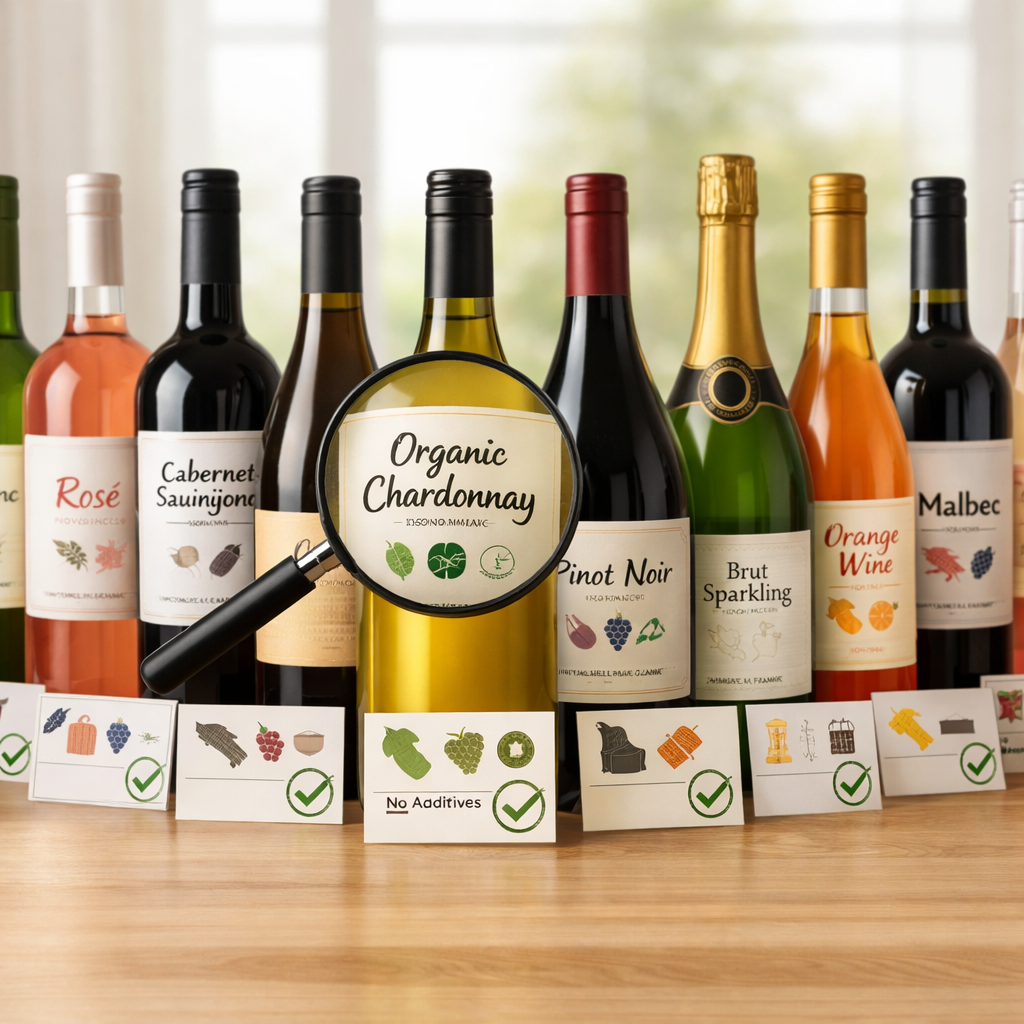
10 Best DTC Wines With Verified Ingredient Transparency and Sourcing
Home cooks increasingly want wines that disclose ingredients, additives, and vineyard provenance so they can shop with confidence, align with dietary needs, and nail pairings. In 2025 tastings, sparkling and white wines led average ratings (8.5 and 7.5, respectively), so expect several high-performing styles on this list, alongside benchmark reds (source: The Wine Pair podcast, Best & Worst Wines of 2025). To make quick decisions, use the compact table below to scan ingredient statements, sourcing claims, DTC paths, and price snapshots before diving into the detailed notes.
| Wine | Ingredient statement | Sourcing claim | DTC path | Price snapshot |
|---|---|---|---|---|
| Thomas Labille Chablis (2023) | Sulfites; stainless steel; fining/filtration disclosed on tech sheets | Estate-grown, Chablis AOC | Direct website/club; check ship states | ~$30–$40 |
| Agrapart & Fils “Minéral” | Dosage disclosed; base year and reserve wine noted | Grower Champagne; parcel-specific | Allocations, specialist DTC partners | ~$150 |
| Cleto Chiarli Lambrusco di Sorbara Vecchia Modena | Sulfites; pressure/frizzante; RS level | Sorbara grapes; Modena origin | Winery site/distributors with DTC | ~$18–$25 |
| Ridge Lytton Springs | Ingredient note includes sulfites; fining/filtration | Dry Creek Valley vineyard sourcing; blend by parcel | Ridge club; transparent shipping | ~mid-$50s (noted in 2025 video coverage) |
| Château Margaux (2018) | Sulfites noted; classical élevage | Estate-grown, Premier Grand Cru Classé | Primarily retail/auction; some direct channels | ~$900 |
| Penfolds Grange | Sulfites; potential fining agents; maturation details | Multi-region SA parcel sourcing | Penfolds club/direct in select markets | ~$700–$900 |
| Trimbach Riesling (Alsace) | Sulfites; typically no oak; fining noted if vegan | Estate and contracted parcels; dry style | Direct/partner DTC; broad reach | ~$20–$30 |
| Yalumba “The Signature” | Sulfites; fining disclosed; maturation detail | Cabernet/Shiraz; Barossa parcels | Yalumba club/direct; clear policies | ~£33 UK / ~$50 US |
| Bell Hill Pinot Noir | Sulfites; minimal-intervention notes | Single-site, certified farming | Allocation lists; tiny production | Market-priced; rising |
| California DTC red selections | Additive notes; vegan fining | AVA-specific, vineyard designate | Mobile-first club/checkouts | ~$20–$60 |
How we chose these DTC wines
We prioritized verifiable transparency over hype. Sparkling averaged 8.5 and whites 7.5 in 2025 tastings, which validated a tilt toward categories where producers already lead on disclosure and quality (The Wine Pair podcast). Selection criteria included: public ingredient/additive statements, provenance clarity (estate/parcel mapping, certifications), clean DTC availability (club/checkout, ship-to-state transparency), recent acclaim or ratings, and clear labeling/membership practices aligned with DTC best practices. My Paired Wine applies these criteria across our tastings and buyer guides to keep picks verifiable and practical.
California dominates DTC shipping and has leaned into premiumization and sustainability, shaping consumer expectations for ingredient disclosure, vineyard provenance, and mobile-first experiences (Accio: Best Selling DTC California Wines for Delivery, 2025). Operationally, industry data shows membership design, segmentation, automation, and simple, phone-first flows drive DTC growth—clarity beats complexity for conversions (OrderPort: DTC Wine Sales 2025—Highlights and Lessons Learned).
How to read our transparency checklist
Use this four-step phone-first checklist before you buy:
- Ingredients/Additives: Confirm sulfites and any processing aids (fining agents, acids, sugar, dosage) on the label, QR e-label, or product page.
- Sourcing/Provenance: Seek estate-grown or vineyard-designate claims, parcel maps, and organic/biodynamic certification badges.
- DTC Path: Test mobile checkout, club options, and ship-to-state/ice-pack policies.
- Price/Ratings: Cross-check price ladders against recent consumer/critic notes and your pairing needs.
Ingredient disclosure means a producer publicly lists what goes into the wine and any processing aids, such as sulfites, fining agents, or added acids. It can appear on labels, QR e-labels, or product pages, allowing buyers to align choices with dietary needs and flavor preferences.
Tips:
- QR e-labels and concise mobile tech sheets speed verification on the go.
- DTC leaders design transparency for phones; if details are hard to find, consider a different producer—My Paired Wine favors wineries that surface this info fast (see OrderPort insights above).
My Paired Wine
Our mission is dish-first: we start with the plate—duck, curry, Bolognese—and match wines by flavor, texture, and intensity across reds and whites. Transparency matters because fining and filtration affect texture, alcohol and sugar impact body, and sourcing shapes acidity and minerality—all crucial when pairing rich sauces or spice. We balance DTC vs retail value so you maximize quality per dollar; for more on channel tradeoffs, see our guide on where premium wine value goes further at My Paired Wine. In our notes, we call out ingredient statements and sourcing so you know exactly why a pairing works.
Thomas Labille Chablis
Top performance: The 2023 Thomas Labille Chablis was the highest-rated wine of 2025 on The Wine Pair podcast, averaging 9.5. What to verify: estate-grown claims, stainless-steel fermentation, a sulfite statement, and any fining/filtration notes on tech sheets. Confirm direct checkout or club and ship-to-state coverage.
Why it pairs: Citrus-driven acidity and oyster-shell minerality slice through richness. Try it with oysters, lemon roast chicken, and creamy mushrooms; the brisk acid resets the palate between bites.
Agrapart & Fils
Momentum check: Agrapart & Fils “Minéral” led market energy for provenance-first sparkling in 2025, underscoring demand for grower Champagne that names sites and soils (WineInvestment: Top Wines of 2025). Verification focus: parcel identification, dosage disclosure, base-year and terroir notes; confirm DTC allocations or partner-club access and shipping limits.
Pairings: Fried chicken, tempura, and sushi. The interplay of high acidity and pinpoint dosage balances salt and fat, keeping fried coatings crisp.
Cleto Chiarli Lambrusco di Sorbara Vecchia Modena
Ranking highlight: The 2024 Vecchia Modena Premium Secco placed #2 in 2025 podcast rankings. Checklist: confirm Sorbara variety, frizzante pressure (lighter bubbles), residual sugar, sulfites, and vegan fining if used; verify DTC or hybrid shipping and covered states.
Pairings: Pizza rossa, cured meats, and spicy Sichuan. Tart red fruit and bubbles scrub fat, while a dry finish cools heat.
Ridge Lytton Springs
A US red with site clarity: Ridge communicates vineyard sourcing, vintage blend details, and ingredient notes on its labels and site. Price snapshot: widely seen around the mid-$50s in 2025 video coverage. Checklist: Dry Creek Valley sourcing, sulfites and any fining/filtration, vintage blend breakdown; club benefits and shipping transparency.
Pairings: Barbecued ribs and lamb kebabs. Zinfandel-led blends mirror smoky-sweet glazes with ripe fruit and spice.
Château Margaux
Benchmark provenance: The 2018 Château Margaux—a Premier Grand Cru Classé—combines Cabernet Sauvignon and Merlot, with retail near $900 per 750 ml. Checklist: estate-grown pedigree, precise vintage labeling, sulfite notice; access may lean on retail/auction, with limited direct offers.
Pairings: Dry-aged ribeye and duck breast. Decant to soften tannins; the wine’s structure frames protein-rich dishes.
Penfolds Grange
Big-house contrast: Grange exemplifies corporate transparency done well—clear maturation details, regional parcel sourcing across South Australia, and published ingredient/additive notes—versus boutique, single-site intimacy. Checklist: regional parcelling, oak regimen, sulfites and potential fining agents; outline your Penfolds club/direct options where available.
Pairings: Charred short rib and black pepper sauces. Concentration and new oak amplify savoriness and sweet-spice, meeting high-impact dishes.
Trimbach Riesling
Reliable, dry, and DTC-friendly: Trimbach’s Riesling is widely accessible, with documented provenance and a consistent dry style—great for spice-driven cooking (noted among top, provenance-led producers in 2025 coverage). Checklist: dry style indication, vineyard notes, sulfites, vegan fining if present; confirm direct or partner DTC.
Pairings: Thai green curry and pork schnitzel. Bright acidity and stone-fruit detail cut chile heat and fried crusts.
Yalumba The Signature
Clear parcels, clear value: Highlighted by Henry Jeffreys, the 2022 The Signature sat around £33 at Majestic—serious Barossa pedigree without the premium-tax (The Buyer: Best Wines of 2025). Checklist: Cabernet/Shiraz blend specifics, parcel notes, sulfites/fining, and straightforward club/direct checkout.
Pairings: Grilled steaks and mushroom gravy. Dark fruit and savory oak underline umami and char.
Bell Hill Pinot Noir
Provenance premiumization: Bell Hill’s tiny, single-site production and meticulous farming have driven prices from about £1,000 per 12 to roughly £1,900 in 2025, signaling intense demand (WineInvestment data). Checklist: precise site maps, organic/biodynamic certifications, sulfites/fining; expect allocation-only availability.
Pairings: Roast duck, beetroot, and soy-glazed salmon. Silky tannins and fresh acidity match sweet-savory glazes and earthy sides.
California DTC red selections
Why California? It dominates the DTC shipping landscape, with premiumization and sustainability as 2025 growth drivers—consumers expect additive transparency, vineyard designate clarity, and mobile-first shopping (Accio 2025). Label clues to seek:
- AVA specificity and vineyard designate
- Additive notes and vegan fining
- Organic/biodynamic certification badges
- Club design that’s easy to manage, with transparent shipping and phone-first checkout (see OrderPort insights)
Pairings: Bolognese, chili, and grilled burgers. Match tannin and fruit weight to dish intensity; richer sauces warrant fuller-bodied, ripe-fruited reds.
Pairing guidance across reds and whites
- Match intensity: delicate dishes want lighter wines; bold dishes need structure.
- Use acidity to cut fat: Chablis and Riesling refresh rich sauces.
- Leverage bubbles for salt/heat: Champagne and Lambrusco reset the palate.
- Align tannins with protein: more tannin for red meat, less for lean cuts.
| Dish | Wine/style from this list | Why it works |
|---|---|---|
| Oysters | Thomas Labille Chablis | Brisk acidity and saline minerality mirror the sea and cleanse palate. |
| Pizza rossa | Lambrusco di Sorbara | Tart red fruit and bubbles slice through cheese and tomato. |
| Duck breast | Bell Hill Pinot Noir | Fine tannins and cherry-toned acidity match richness without overpowering. |
| Barbecue ribs | Ridge Lytton Springs (Zinfandel blend) | Ripe fruit and spice echo smoky-sweet glaze. |
DTC versus retail buying tips
DTC growth is tied to membership design, segmentation, automation, and clean, phone-first experiences—simple sequences often outperform complex funnels (OrderPort 2025). Practical steps:
- Compare club perks beyond discounts: shipping, access, customization, and skip policies.
- Check ship-to-state rules, ice-pack options, and warm-weather holds.
- Confirm QR e-labels and tech sheets that list additives, dosage, fining/filtration, and certifications.
- Consider retail for allocations or better freight math; DTC for fresh releases and provenance detail.
- Affordable tiers can overperform; high price isn’t a guarantee of quality (GoLo Winery). The growing $10–$15 “affordable premium” segment online is a value horizon to watch (Accio: Affordable Premium DTC). My Paired Wine flags when retail beats DTC on landed value and when club access is worth it.
What ingredient and sourcing terms actually mean
-
Sulfites: Naturally occurring compounds from fermentation and often added as preservatives to prevent oxidation and microbial spoilage. Levels vary by style and regulation; sensitive drinkers may prefer wines with lower total SO₂. Labels typically declare “contains sulfites,” with some producers publishing exact ppm.
-
Fining: The optional use of agents (e.g., bentonite clay, egg white, isinglass, pea protein) to clarify wine by binding haze-forming particles. It can affect vegan suitability and subtly alter texture. Transparent producers list fining agents on tech sheets or labels so buyers can align with dietary preferences.
-
Filtration: A physical process that removes yeast, bacteria, or sediment to stabilize clarity and shelf-life. Choices range from coarse to sterile filtration, each impacting mouthfeel subtly. Low-intervention producers may bottle unfiltered, accepting sediment for texture; others filter for consistency and freshness.
-
Estate-grown: Grapes are cultivated and vinified by the same producer on land they farm or own. Estate status supports tighter control over harvest timing, farming practices, and traceability, which can translate to consistent style, clearer provenance, and often more reliable pairing predictions across vintages.
-
Vineyard designate: A label naming a specific vineyard, often with recognized terroir. It signals precise sourcing and typically smaller production. Buyers gain transparency into site expression (e.g., soil, exposure, elevation), which helps anticipate acidity, tannin, and flavor profile for more accurate pairings.
-
Biodynamic/organic certification: Third-party standards verifying farming without synthetic herbicides/pesticides (organic) and, for biodynamic, whole-farm ecological practices guided by specific preparations and rhythms. Certification logos on labels or product pages corroborate sustainability claims and inform expectations for purity and site-driven character.
-
Dosage (Champagne): A small mixture of wine and sugar added after disgorgement to balance acidity and define style (e.g., Brut, Extra Brut). Transparent houses publish grams per liter, helping buyers predict sweetness perception and food matches—crisp, lower-dosage wines often suit salty, fried, or delicately raw dishes.
-
QR e-labels: EU digital wine labels use scannable codes to disclose ingredients, nutrition, and production details, improving transparency without crowding physical labels (see Orijinplus explainer). They let shoppers verify additives, certifications, and sustainability on their phones before purchase or at the table.
Note: In 2025 tastings, sparkling led at 8.5 average ratings, followed by whites at 7.5, shaping style expectations for many transparent producers (The Wine Pair podcast).
Frequently asked questions
Are wine brands required to list all ingredients and additives?
Most regions do not require full ingredient lists; sulfites are commonly disclosed. QR e-labels are expanding voluntary transparency—My Paired Wine flags producers that publish full details.
How can I verify sourcing and vineyard provenance before I buy?
Look for estate or vineyard-designate notes, certifications, and QR e-labels. My Paired Wine links to producer pages and third-party mentions that map parcels and farming.
Do fining and filtration affect pairing choices or dietary needs?
Yes—fining agents affect vegan suitability and filtration can subtly change texture. My Paired Wine notes these factors in pairing guidance.
What should I expect from QR e-labels and digital transparency tools?
Clear ingredient and nutrition lists plus winery and production details in a mobile-friendly format. They’re the quickest way to confirm additives, farming, and style before checkout; we reference them where available.
Is DTC always better value than retail for transparent producers?
Not always—DTC offers fresher releases and perks, while retail can beat shipping costs or improve availability. My Paired Wine recommends comparing total landed price and disclosure clarity across both.